Digital marketing is a fast-growing field. It offers many career opportunities.
Are you interested in a career that blends creativity and technology? A digital marketing career might be perfect for you. This field covers many areas like social media, content creation, SEO, and online advertising. With the rise of the internet, businesses need skilled digital marketers more than ever.
A career in digital marketing offers a chance to work in various industries and roles. You can choose to specialize in analytics, content, or strategy. This flexibility makes it an exciting and dynamic choice. Stay with us as we explore what it takes to succeed in digital marketing and the potential this career holds.
Credit: www.equinetacademy.com
Introduction To Digital Marketing
Have you ever wondered how businesses grow and thrive in the digital age? Well, welcome to the fascinating world of digital marketing! Whether you’re new to the concept or looking to deepen your understanding, you’re in the right place. In this section, we will dive into the basics and significance of digital marketing. So, buckle up and get ready for an exciting journey!
What Is Digital Marketing?
Digital marketing is all about using the internet and online-based digital technologies to promote products and services. This includes tools like search engines, social media, email, and websites. If you’ve ever seen an ad on Facebook or received a promotional email, you’ve encountered digital marketing.
It’s not just about selling things, though. Digital marketing also involves understanding what customers want, creating content that engages them, and building relationships. It’s like being a digital detective and storyteller rolled into one!
Importance In Today’s World
Why is digital marketing so crucial today? Well, let’s think about it. Most people spend a significant part of their day online. They shop, socialize, and even learn new things on the internet. This means businesses need to be where their customers are – and that’s online.
Here are a few reasons why digital marketing is indispensable:
- Wider Reach: With digital marketing, you can connect with people all over the world. A small business in a tiny town can sell its products to someone across the globe.
- Cost-Effective: Compared to traditional marketing methods, digital marketing is often cheaper. You can reach a large audience without breaking the bank.
- Measurable Results: One of the best things about digital marketing is that you can track your results. Tools like Google Analytics show you what’s working and what’s not, so you can adjust your strategy.
- Engagement: Digital marketing allows businesses to interact with their customers in real-time. This builds trust and loyalty.
Imagine trying to sell ice cream in the middle of winter. Not very effective, right? But with digital marketing, you can target your audience more accurately. You can show your ads to people who are actually craving ice cream, no matter the season.
So, there you have it! Digital marketing is not just a buzzword; it’s a powerful tool that helps businesses grow and connect with their audience. And the best part? Anyone can learn it and start a rewarding career in this dynamic field.
Essential Skills For Digital Marketers
So, you’re thinking about diving into the world of digital marketing? That’s fantastic! It’s a dynamic field where no two days are the same. But to truly shine and climb the career ladder, you’ll need a mix of skills. Let’s break it down into two main categories: Technical Skills and Soft Skills. Both are crucial, and mastering them can turn you from a novice into a digital marketing maestro.
Technical Skills
First up, the nuts and bolts. Technical skills are the backbone of digital marketing. Without them, you’re like a chef without a knife. Here are some key areas to focus on:
- SEO (Search Engine Optimization): Understanding how search engines work and how to make your content rank higher. This includes keyword research, on-page SEO, and link building.
- Analytics: Tools like Google Analytics help you track and understand your audience’s behavior. Knowing how to interpret this data is vital.
- Content Creation: From blog posts to social media updates, creating engaging content is a must. This also includes basic graphic design skills.
- PPC (Pay-Per-Click) Advertising: Running ads on platforms like Google Ads and Facebook Ads requires a good grasp of budgeting, targeting, and ad copywriting.
- Email Marketing: Crafting compelling emails and understanding segmentation can drive conversions and retain customers.
Soft Skills
Now, let’s talk about the softer side of things. Soft skills might not be as quantifiable, but they are just as important. They help you work well with others and navigate the ever-changing landscape of digital marketing.
- Communication: Whether you’re writing an email, drafting a blog post, or presenting a strategy, clear and effective communication is key.
- Creativity: Thinking outside the box can help you come up with innovative campaigns that stand out from the crowd.
- Adaptability: The digital world changes fast. Being able to quickly adapt to new tools and trends will keep you ahead of the curve.
- Problem-Solving: Sometimes, things don’t go as planned. Having strong problem-solving skills means you can find solutions quickly and keep things moving.
- Teamwork: Digital marketing often involves working with a team. Being a team player can make or break a project.
In conclusion, balancing technical and soft skills is essential for a successful digital marketing career. It’s a continuous learning journey, but with these skills under your belt, you’ll be well on your way to becoming a digital marketing rockstar. Ready to get started?
Educational Pathways
Embarking on a digital marketing career offers various educational pathways. Understanding these pathways helps in choosing the right direction. This section will guide you through the primary options.
Degrees And Certifications
Many universities offer degrees in digital marketing. A degree provides a solid foundation in marketing principles. It also covers essential digital skills. Common degrees include Bachelor’s in Marketing and Master’s in Digital Marketing.
Certifications add value to your resume. They show your expertise in specific areas. Google Analytics and HubSpot are popular certifications. They are recognized in the industry. Certifications often require passing an exam. They can be completed in a few months.
Online Courses
Online courses are flexible and accessible. Platforms like Coursera and Udemy offer various digital marketing courses. These courses cover topics like SEO, social media, and content marketing. They are suitable for beginners and advanced learners.
Online courses often include practical assignments. This helps you apply what you learn. Many courses are self-paced. This means you can learn at your own speed. Completing an online course can boost your skills and confidence.
Career Opportunities
Digital marketing offers vast career opportunities. It’s a field with constant growth and evolution. Companies across various sectors seek skilled professionals. You can build a rewarding career in this dynamic industry.
Job Roles
In digital marketing, many job roles are available. Each role has unique responsibilities.
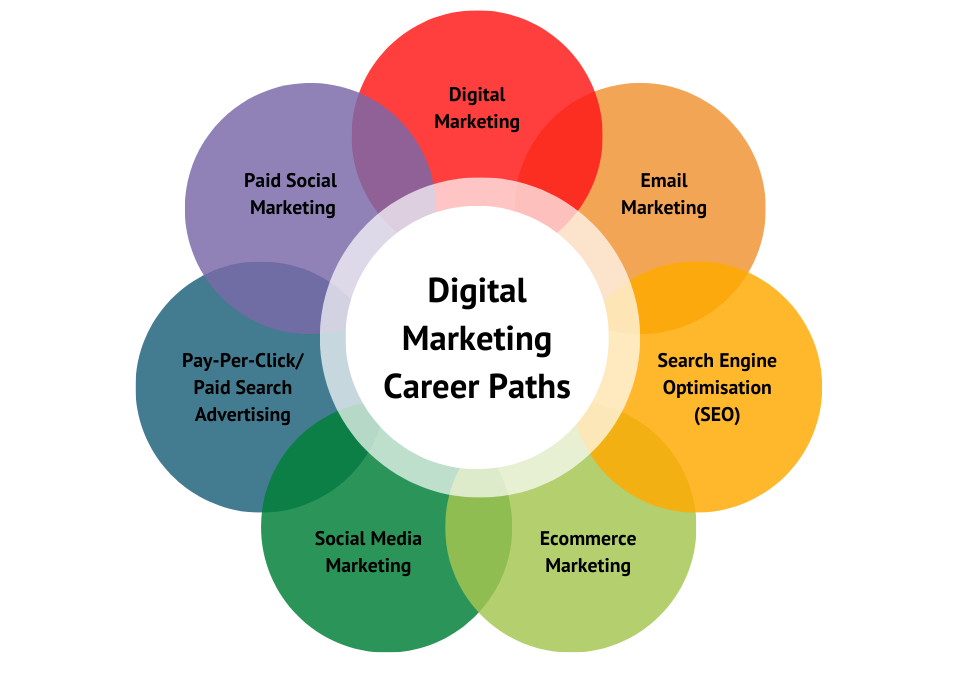
One popular role is the SEO Specialist. They optimize websites to rank higher in search engines. Another key role is the Social Media Manager. They create and manage content on social platforms.
Content Writers play a vital role. They produce engaging blog posts, articles, and web content. Pay-Per-Click (PPC) Managers handle online advertising campaigns. They ensure ads reach the right audience.
Other roles include Email Marketing Specialists, who design and execute email campaigns. Web Analysts track and analyze website traffic. Digital Marketing Managers oversee the entire marketing strategy.
Industry Sectors
Digital marketing skills are in demand across various sectors. Each sector offers unique opportunities.
The e-commerce sector relies heavily on digital marketing. Companies need experts to drive online sales. The technology sector also offers many opportunities. Tech firms require skilled marketers to promote their products.
The healthcare industry is another key sector. Hospitals and clinics use digital marketing to reach patients. The finance sector values digital marketing for promoting services. Banks and insurance companies need experts to engage clients.
Other sectors include travel, education, and entertainment. Each sector needs digital marketers to grow their online presence.
Building A Strong Portfolio
Are you considering a career in digital marketing? That’s a great choice! The field is expanding rapidly, and there’s no better time to dive in. One of the most crucial aspects of launching a successful digital marketing career is building a strong portfolio. A well-crafted portfolio showcases your skills, experience, and achievements, making you stand out to potential employers or clients. Let’s explore how you can create an impressive digital marketing portfolio.
Project Examples
When it comes to building a portfolio, including project examples is a must. These examples provide concrete evidence of your skills and expertise. Think of your portfolio as a storybook, where each project is a chapter. Here are some tips on what to include:
- Social Media Campaigns: Show off your creativity and strategic thinking with examples of social media campaigns you’ve managed. Include screenshots, links, and a brief description of your role and the campaign’s objective.
- Content Creation: Have you written blog posts, created videos, or designed graphics? Add these to your portfolio with relevant links and highlights of your creative process.
- SEO Projects: If you’ve worked on SEO, include keyword research reports, on-page optimization examples, and any improvements in search rankings or organic traffic.
- Email Marketing: Share examples of email campaigns, newsletters, or automated workflows you’ve created, along with their performance metrics.
Showcasing Results
It’s not just about what you’ve done; it’s about the results you’ve achieved. Employers and clients want to see the impact of your work. Here are some ways to effectively showcase your results:
- Metrics and Analytics: Use data to tell your success story. Include key performance indicators (KPIs) such as click-through rates (CTR), conversion rates, and engagement metrics. For example, “Increased website traffic by 50% over three months through targeted SEO strategies.”
- Case Studies: Create detailed case studies for significant projects. Describe the challenge, your approach, and the results. Use visuals like graphs and charts to make the information more digestible.
- Client Testimonials: Add testimonials from satisfied clients or employers. A few positive words can go a long way in building credibility. For instance, “John’s SEO expertise helped our website rank on the first page of Google, significantly boosting our online presence.”
- Before and After: Show the transformation your work has brought about. Before-and-after comparisons can be very powerful. For example, “Increased social media engagement by 200% by implementing a new content strategy.”
Remember, your portfolio is a reflection of your skills and achievements. Keep it updated and tailored to your audience. With a strong portfolio, you’ll be well on your way to a successful digital marketing career.
Credit: herd.digital
Networking And Professional Growth
In the ever-evolving field of digital marketing, networking and professional growth are crucial for success. Building connections and continuously learning can open doors to new opportunities and enhance your career. So, let’s dive into how you can leverage industry events and online communities to boost your professional journey.
Industry Events
Attending industry events is a fantastic way to network with like-minded professionals and stay updated on the latest trends. These events can range from conferences and seminars to workshops and meetups. Here are some key benefits:
- Learning from Experts: Hear from industry leaders and gain insights that you can apply to your work.
- Making Connections: Meet potential mentors, collaborators, and even future employers.
- Staying Current: Keep up with new tools, strategies, and technologies in digital marketing.
For example, I once attended a digital marketing summit where I met a seasoned SEO expert. We exchanged ideas and later collaborated on a project that significantly boosted my portfolio. Never underestimate the power of a good conversation!
Online Communities
Online communities are another excellent resource for professional growth. They provide a platform to share knowledge, ask questions, and support each other. Here are some ways to get the most out of these communities:
- Join Relevant Groups: Look for forums, social media groups, and online networks that focus on digital marketing.
- Be Active: Participate in discussions, share your experiences, and offer help when you can.
- Learn and Grow: Use the shared knowledge to improve your skills and stay informed about industry changes.
Personally, I find that being part of a supportive online community can make a huge difference. I once posted a tricky SEO question on a forum and received multiple helpful answers. It not only solved my problem but also taught me new techniques I hadn’t considered before.
In conclusion, networking and professional growth are essential components of a successful digital marketing career. Whether you’re attending industry events or engaging in online communities, these activities can help you stay ahead of the curve and build a robust professional network. So, what are you waiting for? Start connecting and growing today!
Staying Updated With Trends
In the ever-evolving world of digital marketing, staying updated with trends is crucial for career growth. The industry is dynamic, with new tools, technologies, and strategies emerging almost daily. As a digital marketer, keeping up with these changes can seem daunting but is essential for success. Let’s dive into some key areas to focus on to ensure you remain at the top of your game.
Latest Tools And Technologies
One of the most exciting aspects of digital marketing is the constant introduction of new tools and technologies. These innovations can streamline your work, making campaigns more efficient and effective. But how do you stay on top of it all?
Here are a few tips:
- Subscribe to industry newsletters: Websites like HubSpot and MarketingProfs regularly share updates on the latest tools.
- Join webinars and online courses: Platforms like Coursera and Udemy offer courses on new technologies.
- Network with peers: Attend industry conferences or join online communities to learn what tools others are using.
Remember, the goal is not to use every new tool but to find those that best fit your needs and enhance your efficiency.
Continuous Learning
Learning should be an ongoing process, especially in digital marketing. The landscape is continually changing, and what worked last year might not work today. So, how do you keep learning?
- Read blogs and articles: Websites like Moz and Search Engine Land are excellent sources of up-to-date information.
- Take online courses: As mentioned earlier, platforms like Coursera and Udemy are great for structured learning.
- Follow industry leaders on social media: Influencers and experts often share insights and updates. Follow them on LinkedIn, Twitter, and other platforms.
Continuous learning doesn’t have to be a chore. Make it a part of your daily routine. Spend a few minutes each day reading an article or watching a short video. Over time, these small efforts will add up, keeping you ahead of the curve.
In conclusion, staying updated with trends in digital marketing is essential for anyone looking to thrive in this field. By embracing new tools and committing to continuous learning, you can ensure that you remain relevant and valuable in a fast-paced industry. So, are you ready to dive in and stay ahead of the game?
Credit: digitalmarketinginstitute.com
Tips For Job Interviews
Looking to break into the exciting world of digital marketing? Job interviews can be nerve-wracking, but with a little preparation, you can ace them with confidence. Here, we offer some practical tips to help you navigate your digital marketing job interviews smoothly.
Common Questions
Interviewers often ask certain questions to gauge your fit for the role and your understanding of digital marketing. Here are some common questions you might encounter:
- Tell me about yourself: This is your chance to present a brief overview of your professional journey. Focus on your relevant experience and skills.
- Why do you want to work here? Research the company beforehand and align your answer with their values and goals.
- What are your strengths and weaknesses? Be honest but strategic. Mention strengths that align with the job and weaknesses you are actively working on improving.
- Describe a successful digital marketing campaign you’ve managed: Be specific about your role and the results achieved. Use metrics to showcase your success.
Remember, practice makes perfect. Rehearse your answers, but don’t memorize them. Aim for a natural, conversational tone.
Negotiating Salaries
Discussing salary can be tricky, but it’s an important part of the job interview process. Here are some tips to help you navigate salary negotiations:
- Do Your Research: Know the market rate for the position you are applying for. Websites like Glassdoor and Payscale can provide valuable insights.
- Be Prepared to Discuss Your Value: Highlight your skills, experience, and any unique contributions you can bring to the company.
- Be Honest and Professional: Clearly state your salary expectations. If the offer is lower than expected, ask if there’s room for negotiation.
- Consider the Entire Package: Salary is important, but don’t forget to consider other benefits like health insurance, vacation days, and professional development opportunities.
- Stay Positive: Even if negotiations don’t go as planned, maintain a positive attitude. It shows professionalism and leaves the door open for future opportunities.
Negotiating can feel uncomfortable, but it’s a normal part of the job search process. Approach it with confidence and clarity.
Remember, your goal is to find a role that not only meets your financial needs but also aligns with your career aspirations. With these tips, you can walk into your digital marketing job interviews feeling prepared and empowered. Good luck!
Freelancing And Entrepreneurship
Freelancing and entrepreneurship in digital marketing offer great opportunities. They allow flexibility, creativity, and control over your work. You can work from anywhere, set your own hours, and choose clients. This path can be very rewarding and fulfilling.
Starting Your Own Business
Starting a digital marketing business requires planning and dedication. Begin by identifying your niche. Focus on what you are passionate about. Develop a business plan. This includes setting goals, understanding your market, and outlining strategies.
Next, build a strong online presence. Create a professional website. Showcase your skills and past work. Use social media to connect with potential clients. Networking is crucial. Attend industry events and join online communities. This helps you stay updated and build relationships.
Finding Clients
Finding clients can be challenging at first. Start by leveraging your network. Reach out to friends, family, and former colleagues. Let them know about your services. Ask for referrals. Word of mouth is powerful.
Use online platforms like LinkedIn, Upwork, and Fiverr. These platforms connect freelancers with clients. Create a compelling profile. Highlight your skills and experience. Respond to job postings and pitch your services.
Another effective method is content marketing. Write blog posts, create videos, and share valuable insights. This positions you as an expert in your field. Potential clients will trust your knowledge and seek your services.
Frequently Asked Questions
Is Digital Marketing A Good Career?
Yes, digital marketing is a good career. It offers high demand, competitive salaries, and diverse opportunities. Skills in SEO, social media, and content creation are valuable. The field constantly evolves, providing continuous learning and growth. Digital marketing professionals can work in various industries.
It’s a dynamic and rewarding career choice.
Do Digital Marketers Get Paid Well?
Yes, digital marketers often get paid well. Salaries vary based on experience, skills, and location. High-demand skills can boost earnings.
What Jobs Can Digital Marketing Get You?
Digital marketing can lead to roles like SEO specialist, content marketer, social media manager, PPC expert, and email marketer.
What Do I Need To Become A Digital Marketer?
To become a digital marketer, you need strong analytical skills, creativity, knowledge of SEO, social media expertise, and proficiency in digital tools.
Conclusion
A digital marketing career offers many exciting opportunities. It’s a growing field with a bright future. Skill development is essential. Stay updated with the latest trends. Networking with industry professionals helps too. This field values creativity and analytical skills. Passion and dedication lead to success.
Start your journey today and explore the vast possibilities. Digital marketing can transform your career path. Take the first step now. Your future in digital marketing awaits!


0 Comments