Digital marketing is an essential skill in today’s digital world. A digital marketing course can help you gain the knowledge and skills needed.
Understanding digital marketing is crucial for businesses and individuals alike. It covers areas like social media, SEO, content marketing, and more. A well-structured course can guide you through these topics, making complex ideas simple. Whether you’re a beginner or looking to enhance your skills, a digital marketing course can be a valuable investment.
It offers practical lessons, real-world examples, and expert insights. This knowledge can help you boost your career or grow your business. Ready to dive in? Discover how a digital marketing course can transform your understanding and application of online marketing.

Credit: www.facebook.com
Introduction To Digital Marketing
Digital marketing is changing how businesses connect with their audience. It’s crucial for every company to understand its principles. This course provides a strong foundation for anyone new to this field.
What Is Digital Marketing?
Digital marketing promotes products or services using digital channels. These channels include websites, social media, search engines, email, and mobile apps. Unlike traditional marketing, it allows targeted and measurable interactions.
Importance In Today’s Business
Businesses today must adapt to digital trends. Digital marketing offers cost-effective strategies. It helps businesses reach a global audience. Tracking and analyzing campaigns is easier than ever. This data helps improve future strategies.
Through digital marketing, businesses engage with customers in real-time. This builds trust and loyalty. Moreover, it allows for personalized marketing. Customers receive messages tailored to their interests. This increases conversion rates.
Credit: store.corusbagindustries.com
Key Components
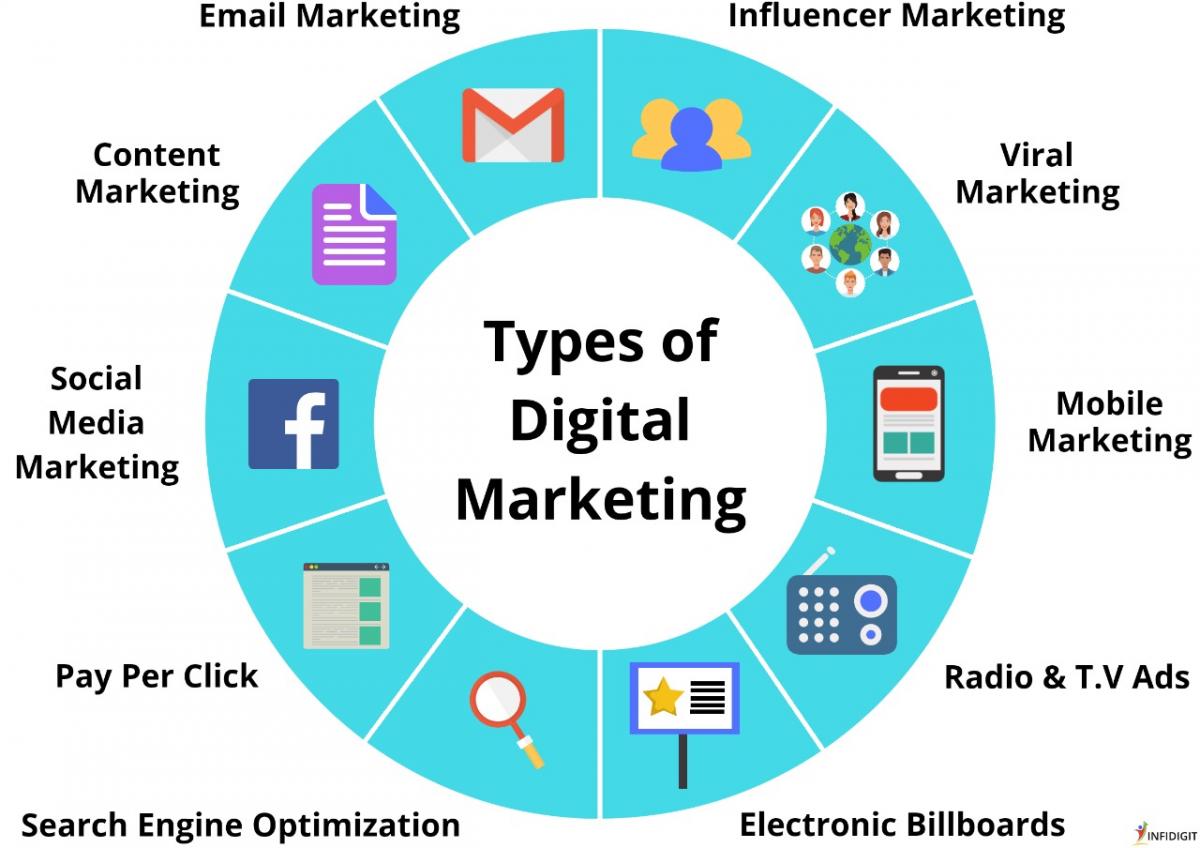
In the ever-evolving world of digital marketing, understanding the key components is crucial for success. Whether you are just starting out or looking to enhance your skills, these components are the building blocks for any effective digital marketing strategy. Let’s dive into the essentials!
Seo
Search Engine Optimization (SEO) is the backbone of digital marketing. It involves optimizing your website to rank higher on search engines like Google. This means more visibility and more visitors.
- Keyword Research: Finding the right keywords that potential customers use to search for your products or services.
- On-Page SEO: Optimizing individual pages on your site. This includes meta tags, headers, and content.
- Off-Page SEO: Activities outside your website to improve its search engine rankings, such as backlinks.
SEO is like planting a tree; it takes time to grow, but the results are worth the wait.
Content Marketing
Content is king in digital marketing. Content marketing involves creating and sharing valuable content to attract and engage your audience.
- Blog Posts: Writing informative and engaging articles related to your industry.
- Videos: Creating visual content to explain complex ideas easily.
- Infographics: Visual representations of information that are easy to digest.
Think of content marketing as storytelling. The better the story, the more your audience will connect with you.
Social media platforms like Facebook, Instagram, and Twitter are powerful tools for marketing. Social media marketing involves using these platforms to promote your brand and connect with your audience.
- Engagement: Interacting with your followers through comments, likes, and shares.
- Advertising: Paid ads to reach a wider audience.
- Analytics: Monitoring your social media performance to understand what works and what doesn’t.
Social media marketing is like having a conversation at a party. The more engaging you are, the more people will listen.
Email marketing is a direct way to reach your audience. It involves sending targeted emails to promote products, share news, or offer special deals.
- Newsletters: Regular updates about your business or industry.
- Personalization: Tailoring emails to individual recipients to increase engagement.
- Automation: Setting up automated email sequences to save time and maintain consistency.
Email marketing is like sending a personal letter. It should be relevant and add value to the reader’s life.
Each of these components plays a vital role in the success of a digital marketing strategy. By understanding and mastering these elements, you can create a cohesive and effective marketing plan.
Seo Strategies
SEO strategies are essential for any digital marketing course. Understanding these strategies can help improve a website’s visibility on search engines. Let’s dive into three crucial SEO strategies: keyword research, on-page optimization, and link building.
Keyword Research
Keyword research helps identify the terms people use to search online. This process involves finding relevant keywords for your content. Use tools like Google Keyword Planner or SEMrush. They provide data on search volume and competition. Choose keywords that match user intent. Incorporate these keywords into your content naturally.
On-page Optimization
On-page optimization focuses on improving individual web pages. This enhances their rank on search engines. Start with the title tag. It should include your primary keyword. Next, optimize your meta description. Make it engaging and include relevant keywords. Use headers (H1, H2, H3) to structure your content. Ensure your content is informative and valuable to readers. Also, optimize images by using alt texts. These should describe the image and include keywords.
Link Building
Link building is the process of acquiring backlinks from other websites. Backlinks act as votes of confidence for your site. They help improve your site’s authority and ranking. Reach out to relevant websites for guest posting opportunities. Create high-quality content that others want to link to. Use social media to share your content. This can attract more backlinks. Monitor your backlinks regularly. Ensure they come from reputable sources.
Credit: edudelphi.com
Content Marketing Techniques
Content marketing is a key component of any digital marketing course. It involves creating valuable content that attracts and engages your audience. This section will cover essential content marketing techniques.
Creating Engaging Content
Creating engaging content starts with understanding your audience. Know their interests and pain points. Use this knowledge to craft relevant content. Stories can make your content more relatable. Visuals like images and videos can grab attention quickly. Keep your language simple and direct. Interactive content like quizzes can also boost engagement. Always aim to provide value to your readers.
Content Distribution
Creating content is just the first step. You need to distribute it effectively. Use social media platforms to share your content. Each platform has its own audience. Tailor your content for each one. Email marketing can also be a powerful distribution channel. Send your content directly to your subscribers. Collaborate with influencers to reach a larger audience. Always share your content multiple times to increase visibility.
Analyzing Performance
Analyzing the performance of your content is crucial. It helps you understand what works and what doesn’t. Use tools like Google Analytics to track your content’s performance. Look at metrics like page views, time spent on page, and bounce rate. Social media platforms also offer insights into engagement. Use these insights to refine your content strategy. Constantly improve based on data.
Social media marketing is a crucial element of any digital marketing strategy. It involves using social platforms like Facebook, Instagram, Twitter, and LinkedIn to promote products or services, engage with customers, and build brand awareness. But how do you make the most out of social media marketing? This section will guide you through the essentials, starting from choosing the right platforms to implementing effective engagement strategies and leveraging paid advertising.
Choosing Platforms
When it comes to social media marketing, not all platforms are created equal. Each platform has its unique audience and features. To choose the right platforms for your business, consider where your target audience spends most of their time. Here are some tips:
- Facebook: Great for reaching a broad audience, especially adults aged 25-54.
- Instagram: Ideal for brands with strong visual content, targeting younger audiences aged 18-34.
- Twitter: Best for real-time updates, news, and engaging with users through short messages.
- LinkedIn: Perfect for B2B marketing and professional networking.
Remember, it’s not about being everywhere; it’s about being where it matters most.
Engagement Strategies
Engagement is the heart of social media marketing. It’s not just about posting content but also about interacting with your audience. Here are some effective engagement strategies:
- Respond to Comments: Show your followers that you value their input by replying to their comments and messages.
- Use Polls and Questions: Encourage interaction by asking questions or creating polls. It’s a fun way to gather opinions and insights.
- Share User-Generated Content: Highlight your followers’ content related to your brand. It builds community and trust.
- Run Contests and Giveaways: Who doesn’t love free stuff? Contests and giveaways can boost engagement and attract new followers.
Engagement is a two-way street. Be genuine, and your audience will respond in kind.
Paid Advertising
Organic reach on social media has its limits. To scale your efforts, consider paid advertising. Here’s a quick rundown:
| Platform | Ad Types | Best Use |
|---|---|---|
| Image Ads, Video Ads, Carousel Ads | Brand awareness, lead generation | |
| Story Ads, Photo Ads, Video Ads | Visual storytelling, engagement | |
| Promoted Tweets, Follower Ads | Real-time promotions, audience growth | |
| Sponsored Content, InMail | B2B marketing, professional outreach |
Paid advertising allows you to target specific demographics, interests, and behaviors, making your campaigns more effective. Start with a small budget, test different ad formats, and refine your strategy based on performance.
In conclusion, mastering social media marketing requires a mix of choosing the right platforms, engaging your audience, and leveraging paid advertising. By following these strategies, you can build a strong online presence and connect with your audience like never before.
Email Marketing
Email marketing is a powerful tool in the digital marketing toolkit. It allows businesses to reach their audience directly in their inbox. Whether you’re promoting a new product, sharing updates, or nurturing leads, email marketing can help you build relationships and drive conversions. Let’s dive into the essentials of email marketing, covering key areas like building a list, crafting emails, and automation.
Building A List
Building a list is the foundation of any successful email marketing campaign. But how do you start? First, you need to attract subscribers. Here are some tips:
- Offer Value: Give something valuable in exchange for an email address, like an ebook or discount code.
- Use Sign-Up Forms: Place sign-up forms on your website, blog, and social media pages.
- Host Webinars: Webinars can be a great way to gather email addresses from interested attendees.
Remember, quality over quantity. It’s better to have a smaller list of engaged subscribers than a large list of uninterested ones.
Crafting Emails
Once you have a list, the next step is crafting emails that people want to open and read. Here are some tips for creating compelling emails:
- Subject Lines: Your subject line is the first thing recipients see. Make it catchy and relevant.
- Personalization: Use the recipient’s name and other personal details to make the email feel tailored to them.
- Clear Call-to-Action (CTA): What do you want your reader to do? Make your CTA clear and easy to follow.
And don’t forget to proofread! Typos and errors can make your emails look unprofessional.
Automation
Automation can save you time and ensure your emails are sent at the right moment. Here’s how to get started with email automation:
- Welcome Series: Automatically send a series of emails to new subscribers to introduce them to your brand.
- Behavioral Triggers: Send emails based on user actions, like abandoned cart reminders or re-engagement campaigns.
- Drip Campaigns: Automate a sequence of emails to nurture leads over time.
With automation, you can set up your campaigns once and then let them run on autopilot. This way, you can focus on other aspects of your business while still engaging your audience.
Email marketing is a critical part of any digital marketing strategy. By building a strong list, crafting engaging emails, and utilizing automation, you can create effective campaigns that drive results.
Data Analytics
Welcome to the fascinating world of Data Analytics in Digital Marketing! This is where numbers come alive and tell stories. Imagine you’re a detective, but instead of solving crimes, you’re solving marketing mysteries. You’ll learn how to track, interpret, and adjust strategies based on data. Let’s dive in!
Tracking Metrics
First things first, tracking metrics is like keeping an eye on your favorite sports team. You need to know the score to understand the game. In digital marketing, these scores are your key performance indicators (KPIs). Here are some common KPIs:
- Website Traffic – How many people visit your site?
- Conversion Rate – How many visitors take the desired action?
- Click-Through Rate (CTR) – How many people click on your ads?
Think of these KPIs as the heartbeat of your marketing efforts. They tell you if things are going well or if you need a change in strategy.
Interpreting Data
Now that you have your metrics, what do they mean? Interpreting data is like reading a map. You need to understand where you are to figure out where to go next. Let’s break it down:
| Metric | What it Tells You |
|---|---|
| High Traffic, Low Conversion | People are interested but not convinced. Maybe your site needs better content. |
| Low Traffic, High Conversion | Not many visitors, but those who come love it. Time to boost your outreach. |
It’s like having a conversation with your data. Ask questions and get answers. For example, why did traffic drop last week? Was there a holiday, or did a competitor launch a big campaign?
Adjusting Strategies
Finally, adjusting strategies based on your data is where the magic happens. Think of it as tweaking a recipe. If it’s too salty, you add some sugar. Similarly, if your conversion rate is low, you might need to tweak your call-to-action. Here are some steps:
- Analyze your KPIs and identify weak points.
- Brainstorm potential changes. Maybe A/B test different headlines.
- Implement changes and monitor results.
Adjusting strategies is an ongoing process. You’re always learning and improving. Remember, even small changes can lead to big improvements.
In conclusion, Data Analytics is your best friend in digital marketing. It helps you understand what’s working and what’s not, guiding you to make better decisions. So, put on your detective hat and start solving those marketing mysteries!
Career Opportunities
Digital marketing courses open many career paths. You learn skills that are in high demand. These skills can lead to various job roles, freelancing opportunities, or even starting your own digital agency.
Job Roles
A digital marketing course can prepare you for many job roles. You could become a Social Media Manager. This role involves managing and growing a company’s social media presence. Or you might become a Content Marketer, creating and sharing valuable content to attract and engage customers. Another option is a Search Engine Optimization (SEO) Specialist. In this role, you improve a website’s ranking on search engines. Each of these roles requires unique skills that you can learn in a digital marketing course.
Freelancing
Freelancing is another exciting career path in digital marketing. Many businesses need digital marketing services but cannot hire full-time employees. As a freelancer, you can offer your skills to these businesses. You can work on projects like creating social media campaigns, writing blog posts, or managing email marketing. Freelancing offers flexibility. You can choose your clients and set your schedule. It is a great way to apply your digital marketing skills and build a diverse portfolio.
Starting A Digital Agency
Starting your own digital agency is a challenging yet rewarding option. With the skills from a digital marketing course, you can offer comprehensive services to businesses. Your agency can provide services like website design, social media management, and SEO. You will need to build a team and manage clients. Starting an agency requires dedication and hard work. But it can lead to great success and satisfaction. You will be helping businesses grow while also growing your own business.
Frequently Asked Questions
What Course Is Best For Digital Marketing?
The best course for digital marketing is Google’s Digital Marketing Certification. It covers SEO, analytics, and more.
Is A 3 Month Digital Marketing Course Worth It?
Yes, a 3-month digital marketing course is worth it. It offers valuable skills and industry knowledge, enhancing career prospects.
Can I Learn Digital Marketing For Free?
Yes, you can learn digital marketing for free. Many online platforms offer free courses, tutorials, and resources.
Can I Learn Digital Marketing On My Own?
Yes, you can learn digital marketing on your own. Utilize online resources, courses, and practice consistently to gain expertise.
Conclusion
Completing a digital marketing course opens many career opportunities. Skills learned can boost your job prospects. Stay updated with the latest marketing trends. Practice regularly to sharpen your techniques. A strong foundation in digital marketing is valuable. Start applying your knowledge to real-world projects.
You will see growth and improvement over time. Invest in your learning journey today. Your future in digital marketing awaits!


0 Comments