In the fast-paced world of online business, the role of a Digital Marketing Executive stands out. This role is vital for driving online success.
A Digital Marketing Executive plans and executes online marketing strategies. They help businesses reach more customers through digital channels. They work with various tools and platforms to promote products and services. This role is crucial in today’s digital age, where online presence can make or break a business.
By understanding the needs of the audience and using digital tools effectively, Digital Marketing Executives help businesses grow and thrive in the competitive online market. In this blog, we will explore the key responsibilities, skills, and benefits of being a Digital Marketing Executive. Stay tuned to learn more about this exciting career path.
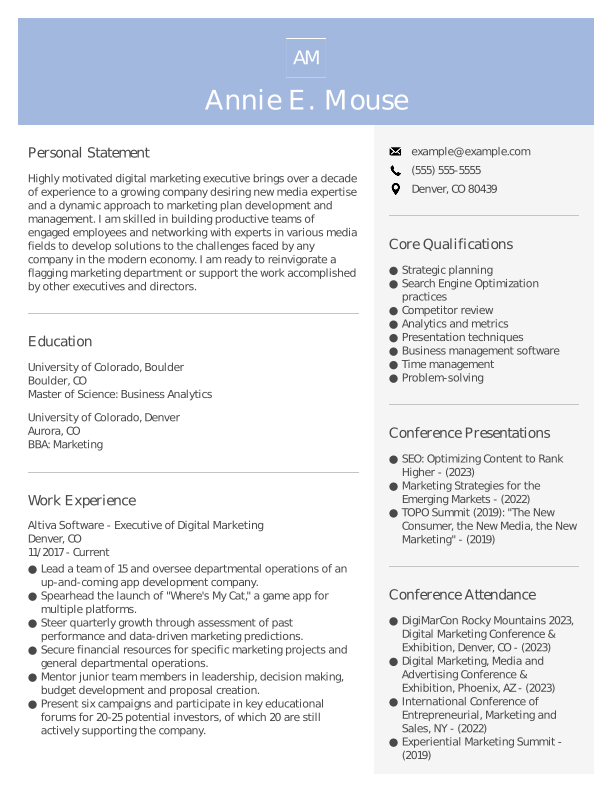
Credit: www.myperfectresume.com
Introduction To Digital Marketing In 2025
Digital marketing continues to evolve rapidly. By 2025, it will be more important than ever. This role will involve new strategies and tools. To succeed, professionals must stay updated on trends and future predictions.
Current Trends
Today, digital marketing relies heavily on data. Marketers use analytics to understand customer behavior. This helps create personalized content. Social media platforms also play a key role. They are essential for engaging with audiences. Video content is another major trend. It captures attention and increases engagement. Mobile optimization is crucial too. More people access the internet via smartphones. Voice search is growing in popularity as well. Devices like smart speakers are becoming common. Influencer marketing remains effective. Brands collaborate with influencers to reach wider audiences. AI and automation tools are streamlining tasks. They make marketing more efficient.
Future Predictions
By 2025, AI will be even more advanced. It will provide deeper insights into customer preferences. Augmented reality (AR) may become mainstream. This can enhance shopping experiences. Personalization will reach new heights. Customers will expect tailored content in real-time. 5G technology will change the landscape. Faster internet speeds will allow more immersive experiences. Privacy regulations will tighten. Marketers must adapt to new laws. Blockchain technology could secure data transactions. Virtual assistants will improve customer service. Predictive analytics will anticipate customer needs. Sustainable marketing practices will gain importance. Brands will focus on eco-friendly strategies. Digital marketing will continue to evolve. Staying updated will be key for success.
The Role Of A Digital Marketing Executive
The role of a Digital Marketing Executive is crucial in today’s business world. They create and manage online campaigns to increase brand awareness. Their work helps companies reach their target audience effectively. By using various digital channels, they ensure that the company’s message is clear and consistent.
Key Responsibilities
A Digital Marketing Executive has many key responsibilities. They develop and implement digital marketing strategies. They create content for websites, blogs, and social media platforms. They also manage email marketing campaigns and analyze their performance. Another important task is to conduct market research. This helps in understanding customer behavior and trends. They also work on search engine optimization (SEO) to improve website rankings.
Essential Skills
Several skills are essential for a Digital Marketing Executive. Strong communication skills are a must. They need to convey ideas clearly. Analytical skills are also important. They help in interpreting data and making informed decisions. Creativity is another vital skill. It helps in creating engaging content. Technical skills are necessary too. Knowledge of SEO, PPC, and social media platforms is crucial.
Being organized is also important. They must manage multiple projects at once. Time management skills help in meeting deadlines. Lastly, a good understanding of the latest digital marketing trends is essential. This keeps the company ahead of the competition.
Data-driven Marketing Strategies
In today’s fast-paced digital landscape, businesses need to be more strategic than ever. One of the most effective ways to achieve this is through data-driven marketing strategies. These strategies empower Digital Marketing Executives to make informed decisions, optimize campaigns, and ultimately drive better results. Let’s dive into the key components of data-driven marketing strategies.
Importance Of Analytics
Understanding the importance of analytics is crucial for any Digital Marketing Executive. Analytics provide insights into customer behavior, campaign performance, and market trends. By analyzing this data, you can make informed decisions that lead to higher conversion rates and better ROI.
- Track customer interactions
- Identify successful campaigns
- Optimize marketing spend
For example, imagine running a social media campaign. Analytics can tell you which posts are getting the most engagement and why. This information is gold. It helps you replicate success and avoid what doesn’t work.
Tools And Technologies
In the world of digital marketing, using the right tools and technologies can make all the difference. There are numerous tools available that can help you gather and analyze data effectively. Here are some popular ones:
| Tool | Purpose |
|---|---|
| Google Analytics | Website traffic analysis |
| SEMrush | SEO and competitive analysis |
| HubSpot | Inbound marketing and automation |
Each of these tools offers unique features. For instance, Google Analytics helps you understand where your website traffic is coming from. On the other hand, SEMrush provides insights into your competitors’ strategies. Using these tools, you can create a comprehensive data-driven marketing strategy.
Remember, the key to success in digital marketing is not just collecting data but also interpreting it correctly. So, keep your eyes on the data and let it guide your decisions.
Content Marketing Mastery
Content marketing mastery is essential for any digital marketing executive. High-quality content can attract and engage your audience. Let’s explore the key components of content marketing.
Creating Engaging Content
Creating engaging content involves understanding your audience. Know what interests them. Use that knowledge to craft your messages. Storytelling is a powerful tool. It makes your content relatable. Use visuals like images and videos. They capture attention and make your content more memorable. Ensure your content is easy to read. Use short sentences and paragraphs. Break up text with headers and bullet points.
Content Distribution Channels
Content distribution is as important as content creation. Use multiple channels to reach a wider audience. Social media platforms are great for sharing content. Each platform has its unique features. Tailor your content to fit each one. Email marketing is another effective channel. It allows you to reach your subscribers directly. Collaborate with influencers to extend your reach. They can introduce your content to their followers. Don’t forget about SEO. Optimize your content to rank higher on search engines. This increases visibility and attracts organic traffic.
Seo And Sem Techniques
Digital marketing executives play a crucial role in driving online visibility. They use SEO and SEM techniques to enhance search engine rankings and attract targeted traffic. Understanding the latest trends in SEO and developing effective SEM campaigns can significantly impact a business’s online success.
Latest Seo Trends
SEO is always evolving. Staying updated with the latest trends is essential. Voice search optimization is gaining popularity. People use voice assistants more than ever. Optimizing content for voice search can increase visibility. Another trend is mobile-first indexing. Google prioritizes mobile-friendly websites. Ensuring your site is mobile-optimized can improve rankings.
Quality content remains crucial. Search engines reward informative and engaging content. Focus on user intent and provide value. Backlinks are still important. Building high-quality backlinks can enhance your site’s authority. Lastly, consider page experience. Fast loading speeds and secure connections enhance user experience. This can lead to better rankings.
Effective Sem Campaigns
SEM campaigns can drive immediate results. Paid ads appear at the top of search results. Start with keyword research. Identify keywords relevant to your business. Use tools like Google Keyword Planner. Create compelling ad copy. Clear and concise messages work best. Include a strong call-to-action.
Set a budget for your campaigns. Monitor your spending to avoid overspending. Use A/B testing. Test different ad variations to see which performs best. Analyze the results and make adjustments. Track key performance indicators. Metrics like click-through rates and conversion rates are vital. Use these insights to refine your campaigns and improve results.
In the ever-evolving world of digital marketing, social media marketing tactics are essential for any Digital Marketing Executive. These tactics help in reaching the right audience, engaging them, and ultimately converting them into loyal customers. But what are the best practices? Let’s dive into some effective social media strategies.
Platform-specific Strategies
Each social media platform has its own unique user base and style. To be effective, you need to tailor your strategies accordingly:
- Facebook: Create engaging posts with a mix of text, images, and videos. Join relevant groups and participate in discussions.
- Instagram: Focus on high-quality visuals. Use stories and reels to capture attention quickly. Don’t forget to use relevant hashtags.
- Twitter: Be concise and to the point. Use trending hashtags and participate in Twitter chats.
- LinkedIn: Share professional content and insights. Engage in industry-specific groups and connect with thought leaders.
- Pinterest: Create visually appealing pins. Organize them into relevant boards for better discoverability.
Engagement Metrics
Understanding and analyzing engagement metrics is crucial to measure the success of your social media strategies. Here are some key metrics to track:
| Metric | Description |
|---|---|
| Likes | Number of users who liked your post |
| Comments | Number of users who commented on your post |
| Shares | Number of times your post was shared |
| Clicks | Number of users who clicked on links in your post |
| Followers | Number of users who follow your account |
By regularly monitoring these metrics, you can adjust your tactics to improve engagement and reach your marketing goals.
Email Marketing Best Practices
Email marketing is a crucial tool in the digital marketing arsenal of any Digital Marketing Executive. It’s not just about sending out a newsletter or a promotional offer; it’s about engaging with your audience in a meaningful way. The difference between an email that gets deleted and one that gets a response often comes down to best practices. Let’s dive into some essential tips to make your email campaigns more effective.
Personalization Techniques
Personalization in email marketing goes beyond just using the recipient’s name. It’s about making the email content relevant to the individual. Here are a few techniques:
- Segmentation: Divide your email list into smaller groups based on demographics, past purchases, or engagement levels. This way, you can tailor your messages to each segment.
- Dynamic Content: Use dynamic content blocks to show different content to different segments within the same email. For example, you can show product recommendations based on past purchases.
- Behavioral Triggers: Send emails based on specific actions taken by users, like cart abandonment reminders or follow-ups on previous interactions.
Automation Tools
Automation tools can significantly enhance the efficiency and effectiveness of your email marketing efforts. They help in managing campaigns, tracking performance, and ensuring timely delivery. Here are some powerful tools you should consider:
| Tool | Features |
|---|---|
| Mailchimp | Comprehensive email marketing platform with robust automation features, segmentation, and analytics. |
| HubSpot | Integrated CRM and email marketing automation, great for lead nurturing and personalized campaigns. |
| ActiveCampaign | Advanced automation workflows, detailed reporting, and powerful segmentation options. |
By leveraging these tools, you can create sophisticated email workflows that respond to user behavior and improve overall engagement.
Email marketing doesn’t have to be complicated, but it does require strategy and the right tools. Whether you are just starting out or looking to refine your current approach, these best practices will set you on the path to success. Remember, the key is to make your emails personal, relevant, and timely. Happy emailing!
Measuring And Optimizing Campaigns
Measuring and optimizing campaigns is crucial for a Digital Marketing Executive. These tasks ensure that marketing efforts are effective and resources are well-utilized. By tracking performance and making necessary adjustments, campaigns can achieve their goals more efficiently.
Key Performance Indicators
Key Performance Indicators (KPIs) are essential metrics. They help track the success of a marketing campaign. Common KPIs include click-through rates, conversion rates, and return on investment. Monitoring these metrics provides valuable insights. It helps identify what works and what doesn’t. Adjustments can then be made to improve performance.
A/b Testing
A/B Testing is a powerful tool. It involves comparing two versions of a campaign element. This could be a webpage, email, or advertisement. The goal is to see which version performs better. By testing different variables, such as headlines or images, marketers can optimize their campaigns. This leads to better engagement and higher conversion rates.
Adapting To Emerging Technologies
In the fast-paced world of digital marketing, staying ahead of the curve is essential. As a Digital Marketing Executive, your ability to adapt to new technologies can make or break your success. The landscape is constantly evolving, and the tools and strategies that worked yesterday might not be as effective today. Let’s dive into some of the key emerging technologies you need to be aware of.
Ai And Machine Learning
Artificial Intelligence (AI) and Machine Learning (ML) are no longer just buzzwords; they are transforming how we approach digital marketing. Imagine being able to predict customer behavior, personalize content, and automate tasks with pinpoint accuracy. Sounds like a dream, right?
AI and ML can help you:
- Analyze Data: Quickly sift through massive datasets to uncover trends and insights.
- Personalize Experiences: Create tailored marketing messages that resonate with individual users.
- Automate Tasks: Save time on repetitive tasks, allowing you to focus on strategy and creativity.
For instance, using AI-driven chatbots can enhance customer service by providing instant responses to common queries. This not only improves user experience but also frees up your team to handle more complex issues. It’s like having a digital assistant who never sleeps!
Voice Search Optimization
With the rise of smart speakers and voice-activated assistants like Siri and Alexa, voice search is becoming a significant player in the digital marketing game. People are increasingly using their voices to search for information, and this trend is only set to grow.
To stay ahead, consider the following:
- Optimize for Natural Language: Voice searches are usually longer and more conversational. Tailor your content to match this style.
- Focus on Local SEO: Many voice searches are local, such as “find a coffee shop near me.” Ensure your business is optimized for local search results.
- Answer Questions: Voice searches often come in the form of questions. Create content that provides clear and concise answers to common queries related to your industry.
Remember, people don’t talk like they type. Adapting your SEO strategy to accommodate this shift can significantly boost your visibility and engagement.
As a Digital Marketing Executive, embracing these emerging technologies can set you apart from the competition. Stay curious, keep learning, and don’t be afraid to experiment. After all, in this ever-evolving field, adaptability is your greatest asset.

Credit: eccles.utah.edu
Building A Digital Marketing Team
Creating a successful digital marketing team is like assembling a winning football team. You need the right players in the right positions to score goals. But how do you find these star players? And once you have them, how do you ensure they work well together? Let’s break it down.
Hiring Strategies
Finding the right talent is crucial. You want people who understand digital marketing and can bring fresh ideas to the table. Here are some tips:
- Look for Passion: Passionate candidates often outperform more experienced ones. Ask them about their favorite campaigns and why they liked them.
- Assess Skills: Conduct practical tests. For instance, ask them to create a sample social media post or a short blog. This shows their real skills.
- Check Cultural Fit: Ensure the candidate fits well with your team’s culture. This helps in maintaining a positive work environment.
Team Collaboration Tools
Once you have your team, the next step is to keep them connected and efficient. Here are some tools that can help:
- Slack: A messaging app for teams. It’s great for quick communication.
- Trello: A project management tool. It helps keep track of tasks and deadlines.
- Google Drive: For sharing and storing documents. It’s easy to use and accessible from anywhere.
These tools make collaboration easier and ensure that everyone is on the same page. Remember, a well-coordinated team is a productive team!
Building a digital marketing team takes time and effort, but with the right strategies and tools, you can create a team that drives success. So, start assembling your dream team today!
Conclusion And Future Outlook
The role of a Digital Marketing Executive continues to evolve, requiring adaptability and constant learning. Future trends point towards increased use of AI and data analytics for more personalized marketing strategies.
Digital marketing executives play a crucial role in today’s business landscape. Their work drives online success, increases brand awareness, and boosts sales. Understanding their role and future prospects is essential for anyone in the digital marketing field.Summary Of Key Points
Digital marketing executives manage online campaigns. They use SEO, social media, and email marketing. They analyze data to improve strategies. Their work ensures a strong online presence. They keep up with trends and adapt to changes.Next Steps For Success
Stay updated with new digital tools. Learn and adapt to new trends. Networking is important. Connect with other professionals. Attend workshops and online courses. Practical experience is valuable. Work on real projects to gain skills. Continuous learning is key. In summary, digital marketing executives need to stay updated and adaptable. Their role is crucial for online success. By following these steps, they can ensure long-term success in the digital marketing industry. “`
Credit: www.campaignlive.com
Frequently Asked Questions
What Is A Digital Marketing Executive?
A digital marketing executive plans and executes online marketing strategies. They manage social media, SEO, email campaigns, and analytics.
Is Digital Marketing Executive A Good Job?
Yes, a digital marketing executive job is good. It offers career growth, diverse opportunities, and competitive salaries.
How Much Do Digital Marketing Account Executives Make?
Digital marketing account executives make between $45,000 and $70,000 annually, depending on experience and location.
What Is The Salary Of E Marketing Executive?
The salary of an e-marketing executive ranges from $40,000 to $70,000 annually, depending on experience and location.
Conclusion
A Digital Marketing Executive plays a vital role in today’s business world. They help companies grow online. Their skills include SEO, social media, and content creation. Effective strategies lead to better brand visibility and customer engagement. Continuous learning and adapting are crucial.
Aspiring professionals must stay updated with digital trends. Success comes from creativity, analysis, and dedication. By mastering these elements, one can thrive in this dynamic field.


0 Comments