Digital marketing is essential for businesses today. It helps reach a broader audience.
Becoming a master in digital marketing means you can leverage online platforms effectively. This field covers various strategies, including SEO, social media, content marketing, and email campaigns. Understanding these elements can significantly boost your brand’s visibility and engagement. In this blog, we will explore the key aspects of becoming a digital marketing expert.
You will learn about the tools and techniques that can help you succeed. Stay tuned to discover how to enhance your digital marketing skills and achieve your business goals.
Introduction To Digital Marketing
Digital marketing is a term that gets tossed around a lot these days. But what does it really mean? How does it affect businesses and consumers alike? Whether you’re a budding entrepreneur or someone curious about the digital landscape, understanding digital marketing is crucial. Let’s dive into this fascinating world and discover its significance.
What Is Digital Marketing?
Digital marketing refers to the use of digital channels to promote or market products and services to consumers. These channels include websites, social media, email, search engines, and mobile apps. In essence, it’s any form of marketing that exists online.
Think of it as the modern-day equivalent of traditional marketing, but with a twist. Instead of billboards and print ads, you have Facebook ads and Google search results. The goal remains the same: to reach potential customers and convert them into loyal patrons.
Importance In The Modern World
Why is digital marketing so important today? The answer lies in our daily habits. People spend a significant amount of time online, whether it’s scrolling through social media, shopping on e-commerce sites, or searching for information on Google. This shift to the digital realm presents a golden opportunity for businesses to connect with their target audience.
Here are some key reasons why digital marketing matters:
- Wider Reach: Digital marketing allows businesses to reach a global audience. Unlike traditional marketing, which is often limited by geography, digital channels can connect you with customers from all corners of the world.
- Cost-Effective: Compared to traditional marketing methods, digital marketing is often more affordable. Small businesses, in particular, can benefit from low-cost advertising options like social media marketing and email campaigns.
- Measurable Results: One of the biggest advantages of digital marketing is the ability to track and measure results. Tools like Google Analytics provide detailed insights into how your campaigns are performing, allowing you to make data-driven decisions.
- Engagement: Digital marketing fosters two-way communication between businesses and consumers. Social media platforms, in particular, allow brands to interact directly with their audience, building stronger relationships and trust.
In today’s fast-paced world, staying ahead of the competition means embracing digital marketing. It’s not just a trend; it’s a necessity. As more people continue to spend time online, the importance of having a robust digital presence cannot be overstated.
So, whether you’re just starting out or looking to refine your existing strategies, understanding digital marketing is key to achieving success in the modern world. Ready to take the plunge? Let’s explore more about how you can leverage digital marketing to grow your business.
Core Components
Digital marketing masters focus on various core components. These components are crucial for any successful digital marketing strategy. Each component plays a unique role. Understanding these basics helps build a strong foundation. Let’s break down the core components.
Seo Basics
SEO stands for Search Engine Optimization. It helps websites rank higher in search results. Higher rankings attract more visitors. SEO involves keywords, meta tags, and quality content. Optimizing these elements improves visibility online. Learning SEO basics is essential for any digital marketer.
Content Marketing
Content marketing involves creating valuable content. This content attracts and engages an audience. It includes blog posts, videos, and infographics. Good content solves problems or answers questions. It builds trust with the audience. Consistent content marketing boosts brand awareness.
Social media marketing uses platforms like Facebook and Instagram. It promotes products and services. Social media is great for engaging with customers. Posting regular updates keeps the audience informed. It also helps in building a community around the brand.
Advanced Techniques
In the world of digital marketing, mastering the basics is just the beginning. To truly stand out, one must delve into advanced techniques that can significantly boost your marketing campaigns. These techniques, while more complex, can yield incredible results. Let’s explore some of the advanced methods that can elevate your digital marketing strategy to the next level.
Email Marketing
Email marketing is a powerful tool when used correctly. It’s not just about sending out a newsletter; it’s about creating personalized experiences for your audience.
- Segmentation: Divide your email list into smaller groups based on demographics, interests, or behaviors. This allows you to tailor your messages to each segment, making your emails more relevant.
- Automation: Set up automated email sequences to nurture leads, onboard new customers, or re-engage inactive subscribers. Automation saves time and ensures consistent communication.
- A/B Testing: Test different subject lines, email content, and call-to-actions to see what resonates best with your audience. This data-driven approach can dramatically improve your open and click-through rates.
Pay-per-click Advertising
Pay-Per-Click (PPC) advertising is an effective way to drive traffic to your website. However, it requires a strategic approach to maximize return on investment (ROI).
- Keyword Research: Identify the right keywords to target. Use tools like Google Keyword Planner to find high-traffic, low-competition keywords.
- Ad Copy: Write compelling ad copy that captures attention and includes a clear call-to-action. Your ad should address the needs and pain points of your target audience.
- Landing Pages: Ensure your landing pages are optimized for conversions. They should be relevant to the ad and provide a seamless user experience.
Affiliate Marketing
Affiliate marketing involves partnering with others to promote your products or services. This can be a cost-effective way to expand your reach and drive sales.
| Benefit | Description |
|---|---|
| Cost-Effective | Pay only for actual sales or leads generated, reducing upfront costs. |
| Extended Reach | Leverage the audience of your affiliates to reach new potential customers. |
| Performance-Based | Affiliates are motivated to perform well since their earnings depend on their success. |
To get started, find reputable affiliates who align with your brand values and provide them with the tools they need to succeed. This might include promotional materials, tracking links, and a clear commission structure.
In conclusion, advanced techniques in digital marketing require a deeper understanding and a strategic approach. By mastering email marketing, PPC advertising, and affiliate marketing, you can significantly enhance your digital marketing efforts and achieve greater success. Ready to take your digital marketing game to the next level?
Tools And Platforms
Digital marketing masters need the right tools and platforms to succeed. These tools help in analyzing data, managing content, and running ads. Using the best tools can save time and improve results.
Analytics Tools
Analytics tools help track and measure your online performance. Google Analytics is a popular choice. It shows how visitors interact with your website. You can see which pages get the most traffic and how long users stay. Another great tool is SEMrush. It provides insights into your competitors’ strategies. It can help you find keywords and track your rankings. These tools give you the data you need to make informed decisions.
Content Management Systems
Content Management Systems (CMS) are essential for creating and managing digital content. WordPress is widely used. It offers many plugins and themes. These can customize your website. Another option is Joomla. It has a strong community and many extensions. A good CMS makes it easier to publish and update content. This helps keep your audience engaged.
Ad Platforms
Ad platforms are crucial for reaching your target audience. Google Ads allows you to create search and display ads. You can target users based on keywords, location, and behavior. Facebook Ads is another powerful tool. It lets you reach users based on their interests and demographics. These platforms offer various ad formats. You can choose the best one for your campaign goals.
Creating Effective Strategies
Creating effective strategies is crucial in digital marketing. It ensures that every action taken is purposeful and results-driven. Without a clear strategy, efforts can become scattered and less effective. Let’s delve into three key components of creating effective strategies: target audience analysis, setting SMART goals, and budget allocation.
Target Audience Analysis
Knowing your audience is the first step. Understand their needs, interests, and behaviors. Use tools like surveys, social media insights, and website analytics. Gather data on demographics, preferences, and pain points. Create detailed audience personas. This helps tailor your marketing efforts to meet their needs.
Setting Smart Goals
Set goals that are Specific, Measurable, Achievable, Relevant, and Time-bound (SMART). Clear goals guide your strategy. They provide a benchmark for success. For example, aim to increase website traffic by 20% in three months. Or boost email open rates by 15% in six months. These goals keep your team focused and motivated.
Budget Allocation
Budget allocation is vital for effective strategies. Determine how much to spend on each channel. Consider the potential return on investment (ROI). Allocate funds to high-performing channels. Be flexible. Adjust your budget based on performance data. This ensures your resources are used efficiently.
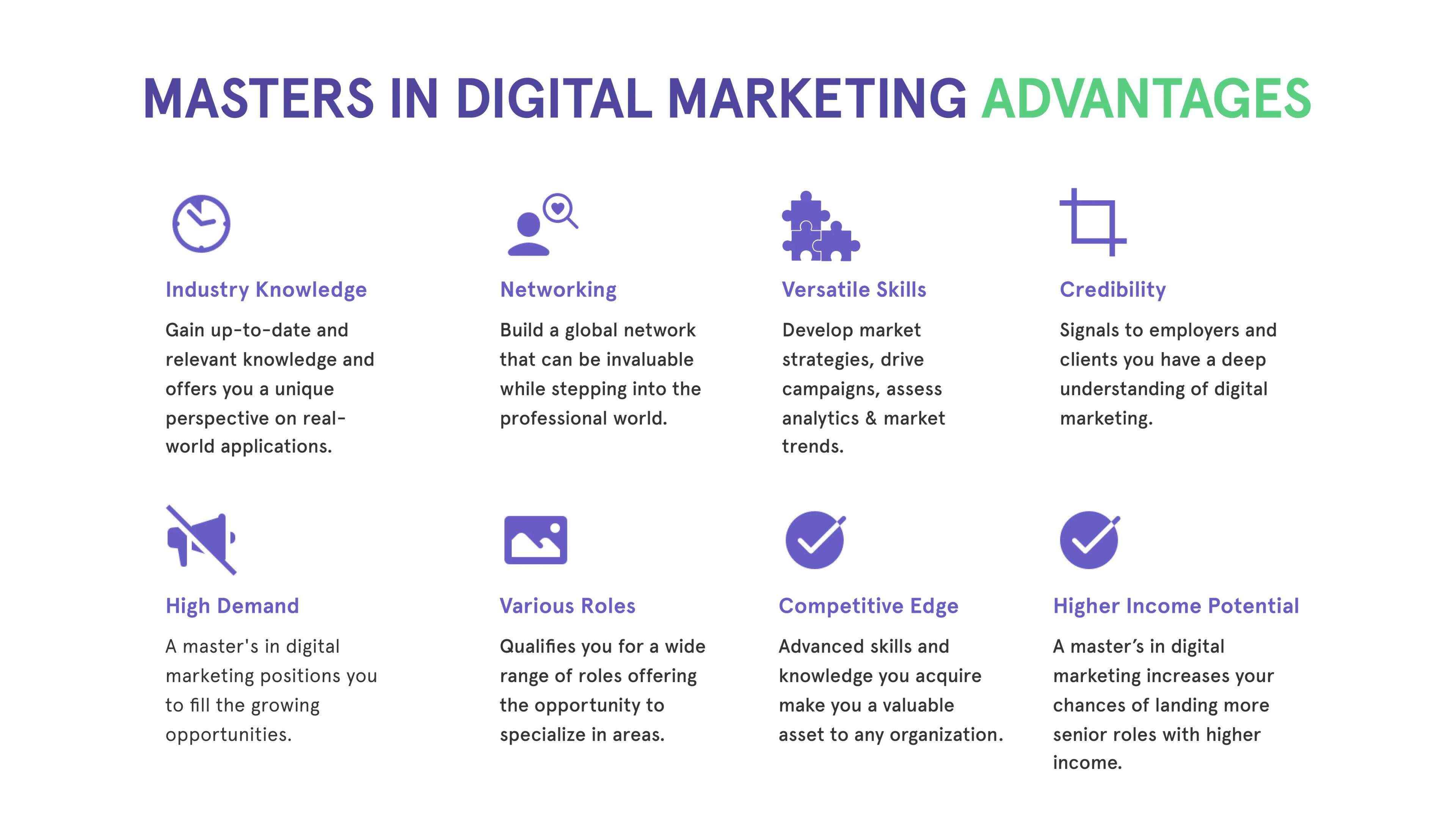
Credit: harbour.space
Measuring Success
When it comes to digital marketing, measuring success is crucial. Without knowing how well your campaigns are doing, you’re just shooting in the dark. But how do you measure success in digital marketing? It’s all about the right metrics and being able to adjust your strategies based on what those metrics tell you. In this section, we’ll break down the essentials of measuring success, focusing on Key Performance Indicators, ROI Calculation, and Adjusting Strategies.
Key Performance Indicators
Key Performance Indicators (KPIs) are like the heartbeat of your digital marketing campaigns. They tell you if everything is running smoothly or if there’s trouble ahead. KPIs can vary based on your goals. For example, if you’re running a social media campaign, engagement rates like likes, shares, and comments are crucial. On the other hand, for an email marketing campaign, open rates and click-through rates are vital.
Here’s a simple table to illustrate some common KPIs:
| Type of Campaign | Key KPIs |
|---|---|
| Social Media | Likes, Shares, Comments |
| Email Marketing | Open Rate, Click-Through Rate |
| SEO | Organic Traffic, Bounce Rate |
Make sure to choose KPIs that align with your business goals. This way, you can track what matters the most to your success.
Roi Calculation
Ever wondered if all that money you’re spending on digital marketing is worth it? That’s where Return on Investment (ROI) comes in. ROI helps you understand the financial return of your campaigns. The formula is simple:
ROI = (Net Profit / Cost of Investment) x 100
For instance, if you spent $1,000 on a campaign and earned $2,000 in return, your ROI would be:
ROI = (($2,000 – $1,000) / $1,000) x 100 = 100%
This means you doubled your investment! Knowing your ROI helps you decide which campaigns are worth continuing and which ones need a rethink.
Adjusting Strategies
Even the best-laid plans can go awry. That’s why adjusting strategies is a vital part of measuring success. If you notice that one campaign isn’t performing well, don’t hesitate to tweak it. Maybe change the ad copy, try a different audience segment, or test new keywords. The digital world is dynamic, and your strategies should be too.
Here’s a quick step-by-step guide to adjusting your strategies:
- Analyze the Data: Look at your KPIs and ROI.
- Identify Weak Spots: Find out where things are going wrong.
- Test New Approaches: Try different tactics to see what works.
- Monitor Results: Keep an eye on the changes and measure their impact.
- Repeat: Continuously optimize based on what you learn.
Remember, flexibility is key. In the world of digital marketing, being able to pivot quickly can make all the difference.
Measuring success isn’t just about numbers; it’s about understanding the story those numbers tell. With the right KPIs, a clear ROI, and a willingness to adjust strategies, you’re well on your way to mastering digital marketing.
Challenges And Solutions
The realm of digital marketing is both fascinating and challenging. Navigating through its vast landscape requires both skill and resilience. While the journey to mastering digital marketing is rewarding, it is fraught with numerous challenges. However, with the right strategies and mindset, these hurdles can be effectively tackled. In this section, we will delve into the common pitfalls, ways to overcome obstacles, and the importance of staying updated in the ever-evolving world of digital marketing.
Common Pitfalls
Every digital marketer, at some point, encounters certain pitfalls. Some of the most common include:
- Ignoring Analytics: Many marketers overlook the importance of analytics. This can lead to wasted resources and missed opportunities.
- Overlooking SEO: Search Engine Optimization is crucial. Ignoring it can drastically reduce your online visibility.
- Content Overload: Bombarding the audience with too much content can be overwhelming and counterproductive.
Overcoming Obstacles
While challenges are inevitable, they are not insurmountable. Here are some solutions to common obstacles:
- Embrace Analytics: Utilize tools like Google Analytics to track your performance. This will help you make informed decisions.
- Prioritize SEO: Invest time in learning SEO basics. Simple changes can lead to significant improvements in your search rankings.
- Quality Over Quantity: Focus on creating high-quality content rather than an excessive amount. This will engage your audience better.
Staying Updated
The digital marketing landscape is constantly evolving. Staying updated with the latest trends and technologies is crucial. Here’s how you can stay ahead:
- Follow Industry Leaders: Keep an eye on what industry leaders are saying. Their insights can be invaluable.
- Continuous Learning: Enroll in online courses, attend webinars, and read industry blogs. Continuous learning is key to staying relevant.
- Network: Join digital marketing communities. Networking with peers can provide new ideas and perspectives.
In conclusion, while the journey to mastering digital marketing is filled with challenges, they can be overcome with the right approach. By being aware of common pitfalls, adopting effective solutions, and staying updated, you can navigate the digital marketing landscape with confidence and success.

Credit: www.business.rutgers.edu
Future Trends
The digital marketing landscape is ever-evolving. Staying ahead means understanding future trends. Let’s explore key areas shaping the future of digital marketing.
Ai In Marketing
Artificial Intelligence is transforming marketing strategies. AI can analyze vast amounts of data quickly. This helps marketers understand consumer behavior better. AI-driven tools personalize customer experiences. Chatbots, for example, provide instant customer support. Predictive analytics forecast trends and customer needs. AI improves targeting and increases campaign efficiency.
Voice Search Optimization
Voice search is becoming more popular. People use voice assistants like Siri and Alexa. Optimizing for voice search is crucial. Content should be conversational and natural. Long-tail keywords are important. Users ask questions differently when speaking. Ensure your website is voice search-friendly. This improves search engine rankings and user experience.
Interactive Content
Interactive content engages users more effectively. Quizzes, polls, and surveys attract attention. Users spend more time on interactive pages. This reduces bounce rates. Interactive content provides valuable insights. It makes the user experience enjoyable and informative. Investing in interactive elements is a smart move.
Case Studies
Case studies offer valuable insights into digital marketing strategies. They help identify what works and what doesn’t. By examining real-world examples, businesses can learn from others’ successes and mistakes.
Successful Campaigns
Successful campaigns demonstrate effective digital marketing strategies. For example, a recent campaign by a retail brand increased sales by 30%. They used targeted social media ads and email marketing. This combination reached a wide audience and drove engagement.
Another case involved a tech company launching a new product. They employed influencer marketing and content creation. Their strategy resulted in a 50% increase in website traffic. These campaigns show the power of diverse digital tactics.
Lessons Learned
Case studies also highlight valuable lessons. One lesson is the importance of audience research. A campaign without proper research missed its target audience. This led to wasted resources and low engagement.
Another lesson is the need for continuous optimization. A brand saw initial success but failed to adapt. They didn’t update their strategy based on data. As a result, their campaign lost momentum.
Industry Insights
Industry insights from case studies reveal broader trends. One trend is the growing importance of video content. Many successful campaigns used videos to capture attention. Videos are engaging and shareable, making them a powerful tool.
Another insight is the rise of mobile marketing. More people use smartphones for browsing and shopping. Effective campaigns prioritize mobile-friendly content. This ensures a seamless user experience across devices.

Credit: www.berlinsbi.com
Frequently Asked Questions
Is A Master’s In Digital Marketing Worth It?
Yes, a master’s in digital marketing is worth it. It offers advanced skills, better job prospects, and higher salaries.
Which Master’s Is Best For Digital Marketing?
The best master’s for digital marketing is the MSc in Digital Marketing from a top-ranked university like Northwestern or University of California, Berkeley.
What Can I Do With A Digital Marketing Masters Degree?
With a digital marketing master’s degree, you can pursue careers in SEO, content creation, social media management, and digital strategy.
What Are The Top 7 Types Of Digital Marketing?
The top 7 types of digital marketing are: 1. Search Engine Optimization (SEO) 2. Content Marketing 3. Social Media Marketing 4. Pay-Per-Click (PPC) Advertising 5. Email Marketing 6. Influencer Marketing 7. Affiliate Marketing
Conclusion
Digital marketing masters help businesses grow online. They use strategies to increase visibility. They understand trends and adapt quickly. Good digital marketing boosts brand awareness and sales. Stay updated with new techniques. Keep learning and improving your skills. Success in digital marketing requires dedication and creativity.
Follow these experts and watch your business thrive.


0 Comments