Digital marketing is essential in today’s business world. It offers vast opportunities for growth.
But how do you learn it effectively? Digital marketing training can provide the skills needed to excel in this field. Understanding digital marketing is crucial for businesses and individuals alike. It covers various strategies like SEO, content marketing, social media, and email campaigns.
A structured training program can guide you through these complex topics. Whether you’re a beginner or looking to refine your skills, digital marketing training offers valuable insights. It helps you stay ahead in a competitive market. Investing time in learning digital marketing can lead to better job prospects and business success. Let’s explore how digital marketing training can benefit you and what to look for in a good program.

Credit: www.facebook.com
Introduction To Digital Marketing
Welcome to the exciting world of Digital Marketing! If you are eager to learn how to promote products and services online, you’ve come to the right place. This guide will walk you through the basics of digital marketing, its importance, and how it has evolved over the years. Whether you’re new to the field or looking to brush up your skills, this introduction will set you on the right path.
Importance Of Digital Marketing
In today’s fast-paced world, businesses need to be where their customers are: online. Digital marketing helps businesses connect with their audience in a more personal and direct way. Here are a few reasons why digital marketing is important:
- Wider Reach: Digital marketing allows businesses to reach a global audience.
- Cost-Effective: Compared to traditional marketing, digital marketing is more affordable.
- Measurable Results: Tools like Google Analytics help track the effectiveness of campaigns.
- Engagement: Social media platforms enable direct interaction with customers.
Evolution Of Digital Marketing
Digital marketing has come a long way since the early days of the internet. Let’s take a brief look at its evolution:
- 1990s: The dawn of the internet era. Websites and email marketing started gaining popularity.
- 2000s: Search engines like Google revolutionized the way businesses reached their audience. SEO and PPC became vital.
- 2010s: Social media platforms like Facebook, Twitter, and Instagram changed the marketing landscape. Content marketing and influencer marketing emerged.
- 2020s: The focus shifted to mobile marketing, voice search, and artificial intelligence. Personalization and data-driven strategies became crucial.
Understanding the importance and evolution of digital marketing will help you appreciate its role in modern business strategies. Ready to dive deeper? Stay tuned for our next section on the essential components of digital marketing!
Key Components
Digital marketing is a vast field. It has many parts that work together to help businesses grow online. In this section, we will talk about the Key Components of digital marketing training. Knowing these components will help you understand how to create and manage successful online campaigns.
Seo Basics
Search Engine Optimization (SEO) is the foundation of digital marketing. It helps your website rank higher on search engines like Google. When people search for something, they often click on the first few links they see. So, how do you get your website to be one of these top links?
Here are some basic steps:
- Use keywords that people are searching for.
- Make sure your website is mobile-friendly.
- Optimize your website’s loading speed.
- Get other websites to link to your site. This is called backlinking.
Think of SEO like cooking a recipe. You need to follow the steps to get a great dish. If you skip a step, your dish may not taste as good. The same goes for SEO. Follow these steps to improve your search engine ranking.
Content Marketing
Content is king. This is a popular saying in the world of digital marketing. Why? Because good content attracts and keeps customers. Content marketing is all about creating valuable and relevant content to engage your audience.
Here are some types of content you can create:
- Blog posts: Write about topics that interest your audience.
- Videos: Create how-to videos or product demos.
- Infographics: Use visuals to explain complex topics.
- Social media posts: Share updates and engage with your followers.
Remember, your content should be helpful and interesting. If it feels like a sales pitch, people will tune out. Just like a good conversation, your content should make people want to listen and engage.
Social media is a powerful tool. It allows businesses to connect with their audience in a more personal way. Platforms like Facebook, Twitter, Instagram, and LinkedIn can help you reach a large number of people quickly.
Here are some tips for successful social media marketing:
- Post regularly: Keep your audience engaged by posting often.
- Use visuals: Photos and videos get more attention than text alone.
- Engage with your followers: Reply to comments and messages. Show that you care.
- Use hashtags: They help people find your posts.
Imagine social media as a party. You want to be the host that everyone loves. Be friendly, share interesting stories, and listen to what others have to say. This way, your followers will keep coming back for more.
Understanding these key components of digital marketing training will give you a strong foundation. Whether you are a beginner or looking to improve your skills, mastering these areas will help you succeed in the digital world.
Building A Strategy
Creating a solid strategy is key to any successful digital marketing campaign. It’s like making a roadmap for your journey. Without it, you might end up lost. Let’s dive into the essential elements of building a strategy, starting with setting goals and identifying your target audience.
Setting Goals
First things first, you need to set clear goals. Think about what you want to achieve. Is it more website traffic? Higher sales? Improved brand awareness? Setting goals gives you direction. Here’s a simple way to do it:
- Specific: Be clear about what you want.
- Measurable: Ensure you can track progress.
- Achievable: Set realistic targets.
- Relevant: Make sure your goals matter to your business.
- Time-bound: Give yourself a deadline.
For example, “I want to increase my website traffic by 20% in three months” is a SMART goal. It’s Specific, Measurable, Achievable, Relevant, and Time-bound.
Identifying Target Audience
Next up is identifying your target audience. Knowing who you are trying to reach is crucial. Imagine throwing a party but not knowing whom to invite. It would be chaotic, right? The same goes for digital marketing.
Here’s how you can identify your target audience:
- Demographics: Age, gender, income, education, etc.
- Interests: Hobbies, likes, dislikes, etc.
- Behavior: Online shopping habits, social media usage, etc.
For instance, if you are selling baby products, your target audience might be new parents aged 25-40. Knowing this helps you tailor your messages and choose the right platforms.
Remember, a well-defined target audience makes your marketing more effective and efficient. It’s like having a compass that guides your journey.
Building a strategy is not rocket science. With clear goals and a defined target audience, you’re already on the right path. Stay tuned for more insights on digital marketing training!
Seo Techniques
When it comes to digital marketing, understanding SEO techniques is crucial. These techniques help your website appear higher in search engine results, making it easier for people to find you. Let’s explore the two main types of SEO: On-Page and Off-Page SEO.
On-page Seo
On-Page SEO refers to the actions taken directly within your website to improve its position in search rankings. It’s like setting up a cozy living room for your guests; you want everything to be perfect and inviting. Here are some key elements:
- Keywords: Use relevant keywords throughout your content. Think about what your audience might search for.
- Meta Tags: These include meta titles and descriptions. They should be concise and enticing.
- Headings: Use
,,tags correctly. They help structure your content. - Internal Links: Link to other pages on your site. This helps users and search engines navigate your content.
- Image Alt Text: Describe your images with alt text. This helps with accessibility and SEO.
Off-page Seo
Off-Page SEO involves activities outside your website to improve its ranking. Think of it as networking for your website. Here are some effective strategies:
- Backlinks: Get other reputable websites to link to yours. It’s like getting a nod of approval from a friend.
- Social Media: Share your content on social platforms. Engage with your audience to build a community.
- Guest Blogging: Write articles for other sites. This can drive traffic back to your site.
- Influencer Outreach: Collaborate with influencers. Their endorsement can boost your site’s credibility.
- Forum Participation: Join relevant forums and discussions. Be helpful and share links to your site when appropriate.
By mastering both On-Page and Off-Page SEO, you’ll be well on your way to improving your website’s visibility. Remember, SEO is not a one-time task but an ongoing process. Keep learning and adapting to stay ahead of the curve.
Effective Content Marketing
Effective content marketing is crucial for any digital marketing strategy. It helps engage your audience, build trust, and drive traffic. Quality content attracts and retains customers. Consistent, valuable content is key. Let’s explore how to create and distribute quality content effectively.
Creating Quality Content
Quality content is essential for engaging your audience. First, understand your target audience. Know their needs, preferences, and pain points. Create content that addresses their concerns and interests.
Use clear and simple language. Avoid jargon and complex terms. Short sentences are easier to read and understand. Make your content informative and valuable. Offer solutions, tips, and insights. Provide actionable advice.
Structure your content well. Use headings, subheadings, and bullet points. This makes it easy to scan. Include images, videos, or infographics. Visuals make content more engaging and help convey information better.
Content Distribution
Creating quality content is just the first step. You need to distribute it effectively. Share your content on social media platforms. Each platform has a different audience. Tailor your content to fit the platform’s style and audience.
Use email marketing to reach your subscribers. Send newsletters with valuable content. Include links to your latest blog posts or articles. This keeps your audience informed and engaged.
Collaborate with influencers or industry experts. They can help promote your content to a wider audience. Guest posting on reputable websites can also increase your content’s reach.
Monitor your content’s performance. Use analytics tools to track engagement and traffic. Adjust your strategy based on the data. Keep experimenting with different content types and distribution methods.
Welcome to the exciting world of Social Media Tactics! In the ever-evolving realm of digital marketing, mastering social media is crucial. Think of it as your magic wand – the right tactics can make your brand shine bright like a diamond. But where do you begin? Don’t worry; we’ve got you covered. Let’s dive into the essentials of Social Media Tactics, starting with choosing the right platforms and engagement strategies.
Choosing Platforms
In the vast ocean of social media, choosing the right platform is like picking the right surfboard. You want to ride the waves smoothly, don’t you? Here’s a breakdown:
- Facebook: Perfect for connecting with a wide audience. Great for detailed posts and community building.
- Instagram: Ideal for visual storytelling. If your brand is visually appealing, this is your go-to.
- Twitter: Suited for quick updates and engaging in trending topics. Short and sweet!
- LinkedIn: Best for B2B interactions and professional networking. Share your industry insights here.
- TikTok: Perfect for reaching a younger audience with fun and creative content.
Choosing the right platform depends on where your audience hangs out. Do some research and find out where your potential customers spend most of their time online.
Engagement Strategies
Engagement is the heart and soul of social media success. Imagine throwing a party and no one talks to each other. Boring, right? Here are some strategies to keep the party lively:
- Interactive Content: Quizzes, polls, and live videos. Get your audience involved!
- Consistency: Post regularly. Your audience should know when to expect new content from you.
- Respond to Comments: Show that you care. Reply to comments and messages quickly.
- Use Hashtags: Help people find your content. Use relevant and trending hashtags.
- Quality over Quantity: It’s better to post less often with high-quality content than to bombard your audience with mediocre posts.
Remember, engagement is a two-way street. Listen to your audience and adapt your strategies based on their feedback. It’s all about building relationships and trust.
So there you have it – the basics of Social Media Tactics. By choosing the right platforms and engaging effectively, you’re well on your way to becoming a social media maestro. Ready to ride the wave? Let’s do this!
Analytics And Metrics
Analytics and metrics are the backbone of digital marketing. They help you understand how well your campaigns are performing. By tracking the right data, you can make informed decisions. This is crucial for improving your marketing strategies.
Tracking Performance
Tracking performance means monitoring key metrics. These metrics show how your campaigns are doing. Examples include website traffic, conversion rates, and social media engagement. By keeping an eye on these numbers, you can see what works and what doesn’t.
Tools like Google Analytics can help. They provide detailed insights into user behavior. You can see which pages get the most visits. You can also see how long users stay on your site. This information is valuable for making adjustments to your strategy.
Making Data-driven Decisions
Making data-driven decisions involves using collected data to guide your choices. This helps you avoid guesswork. Instead, you rely on solid information. For instance, if a certain ad performs well, you might choose to invest more in it.
Data-driven decisions can save you time and money. They help you focus on what’s effective. This way, you get better results from your marketing efforts. Using analytics and metrics, you can fine-tune your approach. This leads to more successful campaigns.

Credit: www.postermywall.com
Advanced Strategies
In today’s fast-paced digital world, staying ahead in the marketing game requires more than just basic knowledge. Enter advanced strategies—these are the powerhouse techniques that can elevate your digital marketing efforts to new heights. Whether you’re looking to refine your email marketing tactics or dive into the world of affiliate marketing, mastering these strategies will give you the competitive edge you need.
Email Marketing
Email marketing is a timeless strategy that, when done right, can yield impressive results. Here are some advanced tactics to enhance your email campaigns:
- Personalization: Tailor your emails to individual recipients by using their names and preferences. This makes your emails feel more personal and engaging.
- Segmentation: Divide your email list into smaller segments based on demographics, behavior, or purchase history. This allows you to send more relevant content to each group.
- A/B Testing: Experiment with different subject lines, email designs, and call-to-action buttons to see what resonates best with your audience.
- Automation: Set up automated email sequences to nurture leads and keep your audience engaged without manual effort.
Remember, the key to successful email marketing is to provide value. Offer useful information, exclusive deals, or entertaining content that your recipients will look forward to.
Affiliate Marketing
Affiliate marketing is a powerful way to leverage the influence of others to promote your products or services. Here are some advanced strategies to maximize your affiliate marketing efforts:
- Choose the Right Partners: Select affiliates who align with your brand values and have a strong following in your target market. Quality over quantity is the way to go.
- Offer Attractive Commissions: Provide competitive commissions to incentivize your affiliates to promote your products enthusiastically.
- Provide High-Quality Marketing Materials: Equip your affiliates with eye-catching banners, engaging content, and compelling product descriptions to make their promotion efforts easier and more effective.
- Track and Analyze Performance: Use tracking tools to monitor the performance of your affiliate campaigns. This will help you identify what works and what doesn’t, allowing you to optimize your strategies.
Affiliate marketing is like having an army of salespeople working for you. By building strong relationships with your affiliates and providing them with the right tools, you can drive significant traffic and sales.
In conclusion, mastering advanced strategies in digital marketing, such as email marketing and affiliate marketing, can significantly boost your efforts. Stay curious, keep experimenting, and always strive to provide value to your audience.
Future Trends
The digital marketing landscape is constantly evolving. Future trends are shaping how businesses engage with their audiences. Staying updated with these trends is crucial for success.
Ai In Marketing
Artificial Intelligence (AI) is transforming digital marketing. AI tools analyze vast amounts of data quickly. This helps marketers understand customer behavior better. AI can predict trends and automate tasks. Chatbots, powered by AI, offer 24/7 customer support. They provide personalized responses, improving customer experience. AI also enhances content creation by suggesting relevant topics. It optimizes ad campaigns, ensuring better ROI.
Personalization
Personalization is becoming more important in digital marketing. Consumers expect tailored experiences. Personalized emails and product recommendations increase engagement. Marketers use data to create customized content. This makes customers feel valued. Personalization also improves conversion rates. It ensures the right message reaches the right audience. Data-driven insights allow for more effective targeting. This trend will continue to grow in importance.
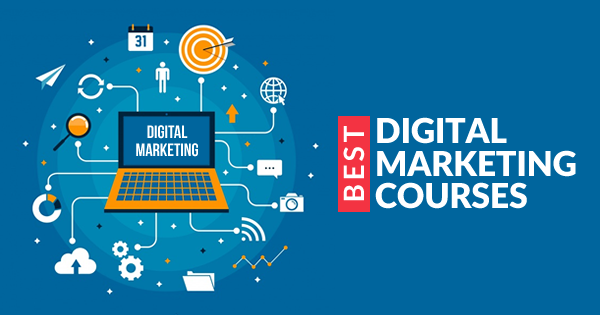
Credit: www.whizlabs.com
Frequently Asked Questions
What Training Is Needed For Digital Marketing?
Training for digital marketing requires knowledge in SEO, content creation, social media, PPC, analytics, and email marketing. Certifications help.
Which Is The Best Course For Digital Marketing?
The best digital marketing course is Google Digital Garage. It offers free, comprehensive training and certification.
Is A 3 Month Digital Marketing Course Worth It?
Yes, a 3-month digital marketing course is worth it. It offers valuable skills and knowledge for career growth.
Can I Learn Digital Marketing On My Own?
Yes, you can learn digital marketing on your own. Use online courses, tutorials, and practical experience to enhance your skills.
Conclusion
Digital marketing training opens many doors. It equips you with essential skills. These skills help you stay competitive. You can reach more customers online. Boost your career with these new tools. Stay updated and relevant. Keep learning and growing. Explore the vast world of digital marketing.
The benefits are immense. Your future in digital marketing looks bright.


0 Comments