Every business needs a digital marketing plan. It’s essential in today’s online world.
A good plan helps you reach more customers and grow your brand. But what exactly is a digital marketing plan? A digital marketing plan is a strategy that uses online tools to promote your business. This includes social media, email, and websites.
It helps you connect with your audience and increase sales. Creating a plan may seem hard, but it’s easier with the right steps. In this blog post, you’ll learn how to make a simple and effective digital marketing plan. We’ll guide you through each step to ensure your business thrives online. Ready to dive in? Let’s get started!
Introduction To Digital Marketing
Digital marketing is a key part of today’s business strategy. It involves promoting products or services using online platforms. This method helps businesses reach a larger audience. Digital marketing uses various tools and techniques to achieve goals.
Understanding digital marketing is essential for any business owner. It allows for better planning and execution of marketing campaigns. Let’s dive deeper into what digital marketing is and why it matters for businesses.
What Is Digital Marketing?
Digital marketing is the promotion of products or services. It uses digital channels like websites, social media, and email. These channels help businesses connect with customers. Digital marketing includes SEO, content marketing, and online advertising. It also covers social media marketing and email campaigns.
Each tool in digital marketing serves a unique purpose. SEO helps improve website visibility. Content marketing creates valuable information to attract customers. Online ads target specific audiences. Social media builds brand awareness. Email campaigns keep customers informed and engaged.
Importance For Businesses
Digital marketing is crucial for modern businesses. It allows for direct communication with customers. This interaction builds trust and loyalty. Digital marketing also provides measurable results. Businesses can track their performance and adjust strategies.
Reaching a global audience is easier with digital marketing. Businesses can target specific demographics. This precision improves the effectiveness of marketing campaigns. Digital marketing is cost-effective. It often costs less than traditional marketing methods.
In summary, digital marketing offers many benefits. It helps businesses grow and succeed in a competitive market. Understanding and implementing digital marketing strategies is essential for any business today.
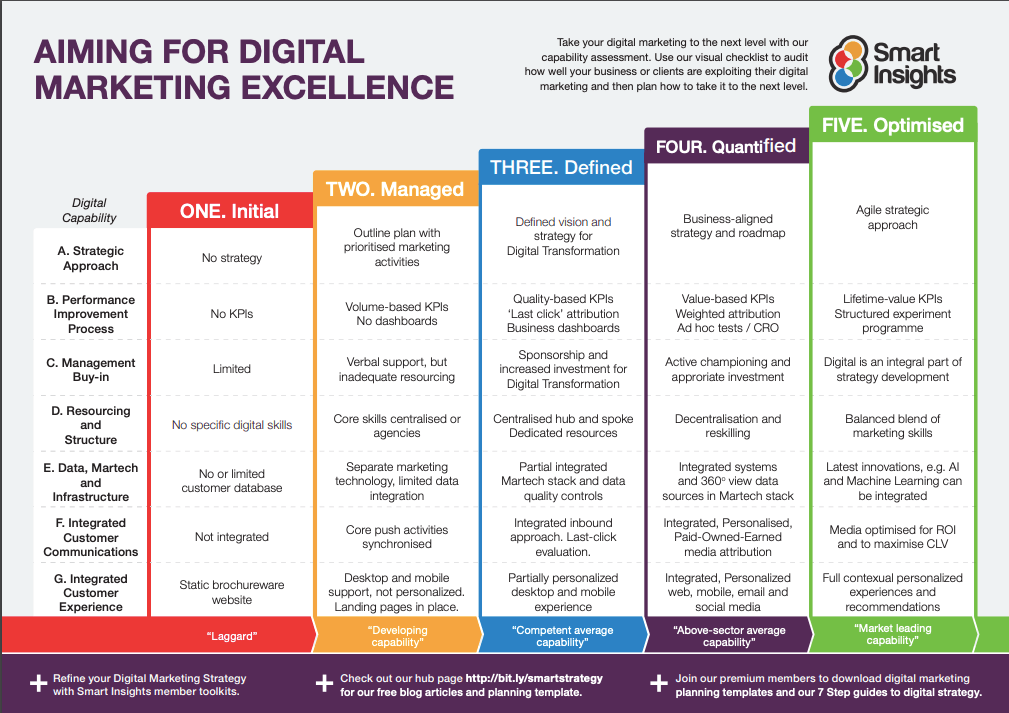
Credit: www.smartinsights.com
Setting Goals
Setting goals is crucial for a successful digital marketing plan. Clear goals provide direction and help measure success. Without goals, efforts can be unfocused and ineffective.
Identifying Business Objectives
First, identify your business objectives. These are the high-level goals for your business. They could be increasing sales, improving brand awareness, or expanding your customer base.
Understand what your business needs to achieve. Then, align your digital marketing goals with these objectives. This ensures your marketing efforts support your business’s overall mission.
Smart Goals Framework
Use the SMART goals framework to set effective goals. SMART stands for Specific, Measurable, Achievable, Relevant, and Time-bound. This framework ensures goals are clear and reachable.
Specific goals target a particular area. Measurable goals include criteria to track progress. Achievable goals are realistic and attainable. Relevant goals align with your business objectives. Time-bound goals have a clear deadline.
For example, instead of “increase website traffic,” a SMART goal would be “increase website traffic by 20% in 3 months.” This goal is specific, measurable, achievable, relevant, and time-bound.
Audience Research
Audience Research is a vital part of any Digital Marketing Plan. Knowing your audience helps create targeted and effective campaigns. This ensures your message reaches the right people.
Defining Target Audience
Defining your target audience is the first step. It involves identifying who will be most interested in your product or service. Consider factors like age, gender, location, income, education, and interests. This helps focus your marketing efforts and resources on those most likely to convert.
Understanding your target audience can lead to higher engagement. It can also result in better customer satisfaction. Use data from your existing customers. Analyze website analytics and social media insights. These tools provide valuable information.
Creating Buyer Personas
Creating buyer personas is an extension of defining your target audience. A buyer persona is a detailed description of a fictional person who represents your ideal customer. It includes demographic information, interests, behaviors, and pain points.
To create a buyer persona, gather data from customer surveys, interviews, and feedback. Combine this with analytics from your website and social media platforms. The more detailed your personas, the better you can tailor your marketing strategies.
Use these personas to guide your content creation and advertising efforts. They help you understand what your audience wants and needs. This ensures your messages resonate with your audience and drive engagement.
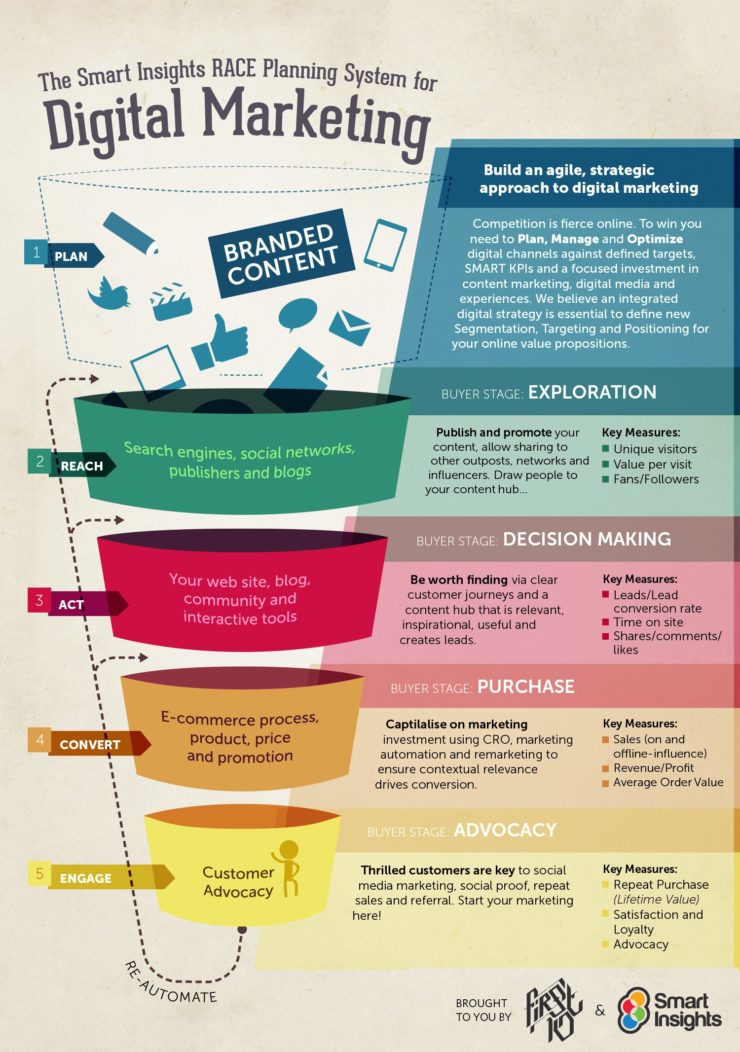
Credit: www.davechaffey.com
Competitive Analysis
In the digital marketing world, having a solid plan is crucial. But how do you know if your plan is up to par? That’s where Competitive Analysis comes in. By examining what your competitors are doing, you can identify gaps in the market, understand industry trends, and ultimately, improve your own strategies. Let’s dive into how you can perform a competitive analysis effectively.
Identifying Competitors
First things first, you need to know who your competitors are. This might seem obvious, but it can be more complicated than it looks. Start by making a list of businesses that offer similar products or services. You can use search engines, industry reports, and even social media to find them. Don’t forget to include both direct and indirect competitors.
- Direct Competitors: These are businesses that offer the same products or services as you do. For example, if you sell shoes online, other online shoe stores are your direct competitors.
- Indirect Competitors: These are businesses that don’t offer the same products but can still satisfy the same customer need. Continuing with the shoe example, a physical shoe store would be an indirect competitor.
Once you’ve identified your competitors, it’s time to dig deeper into what they are doing.
Analyzing Competitor Strategies
Now that you have your list of competitors, the next step is to analyze their strategies. This will help you understand what works and what doesn’t in your industry. Here are some key areas to focus on:
- Website and User Experience: Visit their websites and take note of the design, layout, and user experience. Is the site easy to navigate? How fast does it load? These factors can influence customer satisfaction.
- Content and SEO: Look at the type of content they produce. Are they blogging regularly? What keywords are they targeting? Tools like SEMrush or Ahrefs can help you see their top-performing keywords and backlinks.
- Social Media Presence: Check out their social media profiles. What platforms are they using? How frequently do they post? What kind of engagement are they getting? This can give you insights into their social media strategy.
- Advertising and Promotions: Pay attention to their ads. What platforms are they using for advertising? What kind of promotions do they offer? Understanding their ad strategy can help you refine your own.
Here’s a quick example from my experience: When I was working on a digital marketing plan for a local bakery, I noticed that our main competitor was highly active on Instagram, posting mouth-watering pictures daily. We decided to adopt a similar strategy, but with our unique twist – we started sharing behind-the-scenes videos of our baking process. This not only increased our followers but also boosted our customer engagement significantly.
By thoroughly analyzing your competitors, you can uncover opportunities to differentiate your brand and create a more effective digital marketing plan. Remember, the goal isn’t to copy what others are doing but to learn from their successes and mistakes to improve your own strategies.
Marketing Channels
Choosing the right marketing channels is crucial for a successful digital marketing plan. Each channel offers unique benefits and can help reach different segments of your audience. Understanding how to use these channels effectively can lead to increased visibility and engagement.
Seo And Content Marketing
SEO and content marketing go hand in hand. SEO helps your content rank higher in search engine results. This brings more traffic to your site. Quality content is key. It keeps visitors engaged and improves your site’s SEO. Use relevant keywords naturally. This helps search engines understand your content. Avoid keyword stuffing. It can hurt your rankings.
Focus on creating valuable, informative content. Blog posts, articles, and guides are great options. They provide useful information and establish your expertise. Regularly updating your content keeps it fresh. This can improve your SEO over time.
Social media marketing connects you with your audience on platforms they use daily. Facebook, Instagram, Twitter, and LinkedIn are popular choices. Each platform has its own strengths. Choose the ones that align with your target audience.
Engage with your followers by posting regularly. Share a mix of content types. Images, videos, and text posts can keep your audience interested. Respond to comments and messages promptly. This builds trust and loyalty.
Use social media analytics to track your performance. Identify what types of content get the most engagement. Adjust your strategy based on these insights. Paid advertising on social media can also boost your reach.
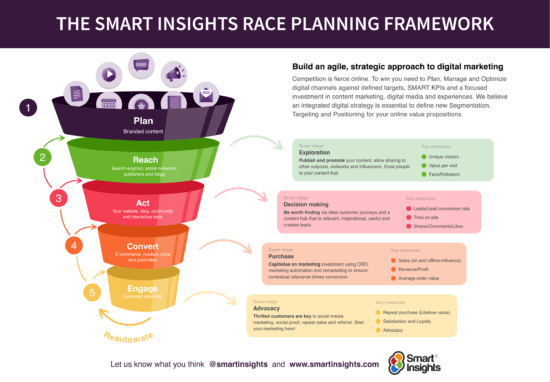
Credit: www.smartinsights.com
Budget Planning
Creating a digital marketing plan is essential for the success of any business. One of the critical components of this plan is budget planning. Without a well-thought-out budget, your marketing efforts may fall short, leading to wasted resources and missed opportunities. In this section, we will delve into the nuances of budget planning, highlighting key areas such as allocating resources and considering ROI.
Allocating Resources
When it comes to allocating resources, it is vital to prioritize your spending based on your goals. Think of your marketing budget as a pie, and each slice represents a different channel or strategy. Whether it’s social media, email marketing, or pay-per-click (PPC) advertising, you need to determine which slices deserve the biggest portions.
Here are a few tips to help you allocate your resources effectively:
- Identify Your Goals: What do you want to achieve? Brand awareness, lead generation, or sales?
- Analyze Past Performance: Look at what has worked in the past. Did your last Facebook campaign outperform your email marketing?
- Consider Your Audience: Where are your customers spending their time? Focus on the platforms they use most.
- Stay Flexible: Be ready to reallocate funds if a particular strategy is not yielding the expected results.
Roi Considerations
Understanding ROI (Return on Investment) is crucial for any successful digital marketing plan. ROI measures the profitability of your investments and helps you determine which strategies are worth continuing.
Here are a few factors to consider when evaluating ROI:
- Track Conversions: Use tools like Google Analytics to track how many leads or sales each campaign generates.
- Calculate Costs: Sum up all expenses related to a campaign, including ad spend, software costs, and labor.
- Evaluate Profit: Subtract your total costs from the revenue generated by the campaign to see your net gain.
- Analyze Trends: Look for patterns over time. If a specific strategy consistently delivers high ROI, it may be worth increasing its budget.
By thoughtfully allocating resources and closely monitoring ROI, you can ensure your digital marketing plan is both effective and efficient. Remember, the key is to stay adaptable and responsive to the ever-changing digital landscape.
Budget planning doesn’t have to be daunting. With a clear focus and strategic approach, you can make your marketing dollars work harder and smarter for your business. So, grab that pie chart, sharpen your pencil, and start planning your way to success!
Implementation
Once you have outlined your digital marketing strategy, the next crucial phase is implementation. This step is where the plans come to life. It involves executing your campaigns, monitoring their progress, and making necessary adjustments. Let’s break down this phase into more digestible parts.
Campaign Execution
Executing a digital marketing campaign is like launching a rocket. You need precision and coordination. First, ensure that all your resources are ready. This includes your team, tools, and content. Here’s how to go about it:
- Set Clear Goals: Define what you want to achieve. Is it more website traffic, higher engagement, or increased sales?
- Identify Your Audience: Who are you targeting? Tailor your message to their needs and preferences.
- Choose the Right Channels: Decide where to run your campaigns. Will it be on social media, email, or search engines?
- Create Compelling Content: Your content should be engaging and valuable. Think of it as your campaign’s fuel.
By following these steps, you set the stage for a successful campaign launch.
Monitoring Progress
Once your campaign is live, the work doesn’t stop. You need to keep an eye on its performance to ensure it’s on track. Here are some essential tips for monitoring progress:
- Track Key Metrics: Use tools like Google Analytics to monitor traffic, conversions, and other vital metrics.
- Analyze Engagement: Look at how your audience is interacting with your content. Are they sharing, commenting, or clicking?
- Gather Feedback: Collect feedback from your audience. This can be through surveys, comments, or direct messages.
- Compare with Goals: Regularly compare your results with the goals you set initially. This helps you see if you are on the right path.
Remember, monitoring is not just about watching numbers. It’s about understanding the story behind those numbers. If something is not working, don’t be afraid to pivot. Making adjustments is a natural part of the process.
In conclusion, implementing a digital marketing plan involves meticulous execution and vigilant monitoring. By staying agile and responsive, you can ensure your campaigns not only meet but exceed expectations.
Performance Measurement
Performance measurement is crucial in any digital marketing plan. It helps businesses understand their efforts’ effectiveness. By tracking specific metrics, companies can make informed decisions. This section covers essential elements of performance measurement.
Key Performance Indicators (kpis)
KPIs are vital in measuring success. These indicators reflect how well your digital marketing strategies perform. Common KPIs include website traffic, conversion rates, and social media engagement. Choose KPIs that align with your business goals. This ensures you focus on what matters most.
Analytics Tools
Analytics tools help track and analyze digital marketing data. Google Analytics is a popular choice. It offers insights into website traffic and user behavior. Social media platforms also provide built-in analytics. These tools show engagement rates and audience demographics. Using analytics tools helps make data-driven decisions. This improves the overall effectiveness of your digital marketing plan.
Optimization Strategies
Optimization strategies are crucial for a successful digital marketing plan. They help enhance user experience, increase conversion rates, and boost overall performance. Implementing these strategies ensures that your marketing efforts are effective and efficient. Let’s explore two key optimization strategies: A/B Testing and Continuous Improvement.
A/b Testing
A/B testing compares two versions of a webpage or ad. The goal is to see which one performs better. It involves creating two versions, A and B. Each version has a slight variation. For example, a different headline or button color. You then split your audience into two groups. One group sees version A, the other sees version B. Track the performance of each version. Analyze metrics like click-through rates or conversions. The version with better performance becomes your new standard. A/B testing helps identify what works best for your audience.
Continuous Improvement
Continuous improvement involves regularly evaluating and refining your strategies. It’s an ongoing process. Collect data from your campaigns. Analyze the results to identify areas for improvement. Implement changes based on your analysis. Monitor the impact of these changes. The goal is to make incremental improvements over time. This approach ensures your digital marketing efforts stay relevant and effective. Embrace feedback and learn from your data. Continuously strive to enhance your strategies. This mindset fosters growth and success.
Case Studies
When it comes to crafting a successful digital marketing plan, one of the best ways to learn is through case studies. By examining real-world examples, we can see what worked, what didn’t, and why. This allows us to draw valuable lessons and apply them to our own strategies. Let’s dive into some case studies that highlight successful digital marketing examples and the lessons we can learn from them.
Successful Digital Marketing Examples
Let’s start with some success stories. These examples showcase how various businesses have leveraged digital marketing to achieve impressive results.
- Company A: This company used social media marketing to increase their brand awareness. They created engaging content and collaborated with influencers. Within six months, their follower count tripled, leading to a 40% increase in sales.
- Company B: By implementing a strong SEO strategy, Company B managed to rank on the first page of Google for several key search terms. This resulted in a 60% boost in organic traffic and a significant uptick in online sales.
- Company C: Company C focused on email marketing. They personalized their emails and segmented their audience. This approach led to a 25% higher open rate and a 35% increase in click-through rate.
Lessons Learned
What can we learn from these success stories? There are several key takeaways that can be applied to your own digital marketing plan:
- Engagement is Key: Engaging content, whether through social media, email, or your website, attracts and retains customers.
- SEO Matters: A strong SEO strategy can significantly increase your visibility and drive organic traffic to your site.
- Personalization Works: Tailoring your marketing messages to different segments of your audience can lead to higher engagement and better results.
In conclusion, studying these case studies provides valuable insights into what makes a digital marketing plan successful. By applying these lessons to your own strategy, you can improve your chances of achieving similar success. After all, why reinvent the wheel when you can learn from those who have already paved the way?
Frequently Asked Questions
What Is The Digital Marketing Plan?
A digital marketing plan outlines strategies to promote a brand online. It includes SEO, content marketing, social media, email campaigns, and paid advertising to reach and engage the target audience.
What Is The 3-3-3 Rule In Marketing?
The 3-3-3 rule in marketing focuses on delivering three key benefits, three supporting points, and three actionable steps. This method aims to simplify and effectively communicate a marketing message.
What Are The 7 C’s Of Digital Marketing?
The 7 C’s of digital marketing are content, context, connection, community, customization, communication, and commerce. These elements help create effective marketing strategies.
What Are The 5 P’s Of Digital Marketing?
The 5 P’s of digital marketing are Product, Price, Place, Promotion, and People. These elements guide marketing strategies.
Conclusion
A solid digital marketing plan sets your business up for success. It ensures consistent branding, targeted messaging, and effective campaigns. Regularly review and adjust your strategies. Stay updated with trends and technologies. Remember, patience is key. Results may take time but will be worth the effort.
By following a well-structured plan, you can achieve your marketing goals. So start today, monitor progress, and keep improving. Success in digital marketing is a journey, not a destination. Stay committed and watch your business grow.


0 Comments