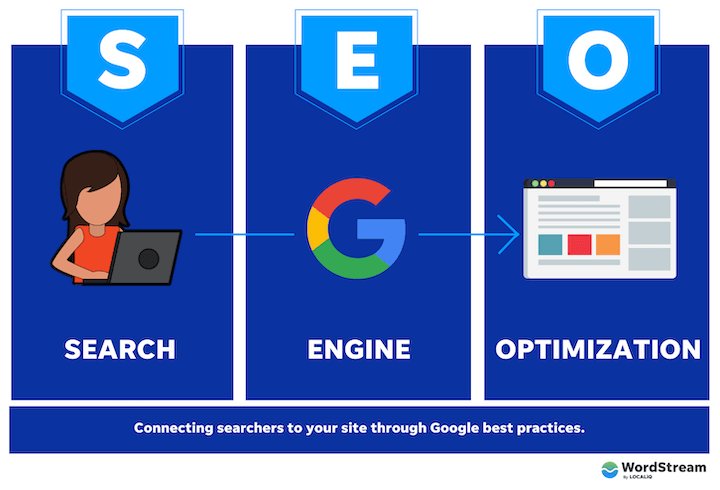
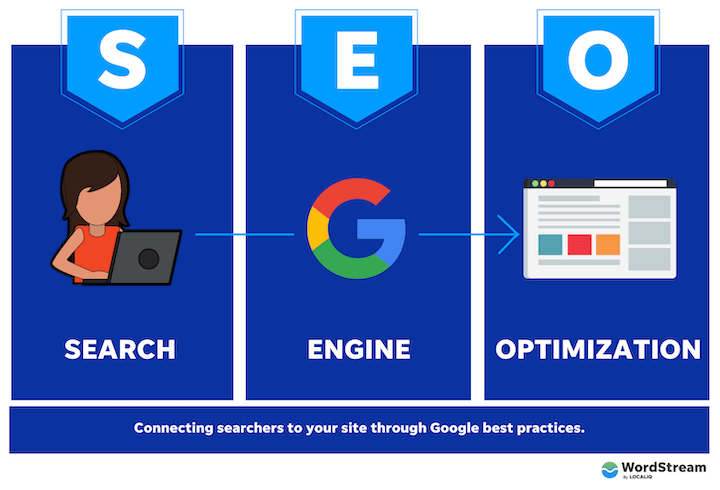
Search Engine Optimisation, often called SEO, is essential for online success. It helps your website rank higher on search engines, making it more visible to potential visitors.
Understanding SEO can transform your online presence. Whether you’re a business owner, blogger, or content creator, mastering SEO is crucial. It involves techniques to improve your site’s ranking on search engines like Google. Better rankings lead to more traffic, which means more opportunities for engagement and sales.
SEO isn’t just about keywords; it’s about creating quality content and a user-friendly experience. With a solid SEO strategy, you can stay ahead of the competition. This introduction will help you grasp the basics of SEO and its importance for your online goals.

Credit: www.geeksforgeeks.org
Keyword Research
Keyword research is the foundation of effective search engine optimization (SEO). It helps you understand what your audience is searching for. By knowing the right keywords, you can create content that meets their needs. This will improve your website’s visibility on search engines.
Identifying Target Keywords
Start by identifying the main topics related to your business. Think about what your audience might type into search engines. Make a list of these potential keywords. Focus on words that are relevant and specific to your services or products.
Consider the intent behind each search query. Are users looking for information or ready to make a purchase? Knowing this helps you choose the most effective keywords. Use terms that match the user’s intent.
Using Keyword Tools
Keyword tools can help you find the best keywords for your content. These tools provide data on search volume and competition. They show how often people search for specific terms. This helps you pick keywords that have a good balance of high search volume and low competition.
Some popular keyword tools include Google Keyword Planner, Ahrefs, and SEMrush. These tools can also suggest related keywords. Use these suggestions to expand your list. This ensures you cover all possible search queries related to your topic.
Regularly update your keyword list. Trends and search behaviors change over time. Keeping your keywords fresh ensures your content stays relevant.
On-page Seo
On-Page SEO is crucial for improving your website’s visibility on search engines. It involves optimizing individual web pages to rank higher and gain more traffic. This aspect of SEO focuses on both the content and HTML source code of a page.
Optimizing Content
High-quality content is the backbone of On-Page SEO. Use relevant keywords naturally throughout your content. Ensure your text is easy to read and understand. Break your content into short paragraphs. Use bullet points and numbered lists to improve readability. Incorporate images and videos to enhance user engagement. Always provide accurate information that adds value to your readers.
Meta tags play a vital role in On-Page SEO. These include the title tag, meta description, and header tags. The title tag should be concise and include your main keyword. Aim for less than 60 characters to ensure it displays properly in search results. The meta description should summarize the content. Keep it under 160 characters and use relevant keywords.
Header tags (H1, H2, H3) structure your content. Use your primary keyword in the H1 tag. Use H2 and H3 tags for subheadings to organize your content. This helps search engines understand the hierarchy and context of your page.
Technical Seo
Technical SEO is crucial for improving your website’s search engine ranking. It involves optimizing your website’s technical aspects to make it more accessible to search engines. This process includes enhancing site speed, ensuring mobile-friendliness, and fixing technical issues.
Site Speed Optimization
Site speed is a key factor in user experience. Slow-loading pages lead to higher bounce rates. This can affect your search engine ranking negatively. Compress images to reduce load time. Use browser caching to improve speed. Minimize the use of large scripts and plugins. A fast site keeps users engaged and improves SEO.
Mobile-friendly Design
Many users access websites via mobile devices. A mobile-friendly design is essential. Ensure your website adjusts to different screen sizes. Use responsive design techniques. Google’s search algorithm favors mobile-friendly sites. Check your site’s mobile usability with Google’s Mobile-Friendly Test. A well-designed mobile site enhances user experience and boosts SEO.
Credit: vwo.com
Off-page Seo
When it comes to Search Engine Optimisation (SEO), there’s more than just tweaking your website’s content and structure. Off-Page SEO, the techniques implemented outside your own website, plays a crucial role in boosting your site’s visibility. It’s like the unseen engine that drives your website to the front page of search engine results. Let’s dive into two key components of Off-Page SEO: Backlink Building Strategies and Guest Blogging.
Backlink Building Strategies
Backlink building is the backbone of Off-Page SEO. Think of backlinks as votes of confidence from other websites. When a reputable site links to yours, it tells search engines that your content is valuable and trustworthy. But how do you get these coveted backlinks?
- Quality over Quantity: Aim for links from high-authority sites rather than just any site. A single backlink from a well-known website can be more beneficial than dozens from lesser-known ones.
- Create Shareable Content: Craft infographics, guides, or unique articles that others will want to share and link to. If your content is valuable, people will naturally link back to it.
- Broken Link Building: Identify broken links on other websites and offer your content as a replacement. It’s a win-win: you get a backlink, and they fix a broken link.
- Engage in Community Forums: Participate in forums and communities related to your niche. Sharing your expertise can lead to natural backlinks.
Remember, building backlinks is a gradual process. Patience is key, and persistence will pay off.
Guest Blogging
Guest blogging is another powerful Off-Page SEO technique. By writing articles for other websites in your industry, you can establish authority and gain backlinks to your site. But how does one go about it?
- Identify Relevant Blogs: Look for blogs in your niche that accept guest posts. They should have a good reputation and a decent amount of traffic.
- Pitch Your Ideas: Send a personalized email to the blog owner with a few topic ideas. Make sure your pitches are relevant to their audience.
- Write High-Quality Content: Once accepted, write an article that offers real value. Avoid self-promotion and focus on providing useful information.
- Follow Up: After your post is published, engage with readers in the comments section. This can build relationships and potentially lead to more guest blogging opportunities.
Guest blogging not only helps with backlinks but also exposes you to a new audience, boosting your brand’s visibility.
So, whether you’re building backlinks or guest blogging, Off-Page SEO is about creating a web of connections that enhance your site’s reputation and visibility. Dive in, stay consistent, and watch your site climb the search engine ranks!
Content Marketing
Content marketing is a powerful tool in the world of Search Engine Optimization (SEO). By creating and sharing valuable content, you can attract and engage your target audience. This helps improve your website’s visibility on search engines. Today, we will explore two key aspects of content marketing: creating engaging content and promoting that content effectively.
Creating Engaging Content
Creating engaging content is like cooking a delicious meal. You need the right ingredients, a good recipe, and a bit of creativity. Here are some tips to help you cook up engaging content:
- Know Your Audience: Understand who your readers are. What are their interests? What problems do they need solving?
- Use Simple Language: Use words that are easy to understand. Keep sentences short. This makes your content accessible to everyone.
- Tell a Story: People love stories. Use anecdotes and examples to make your content relatable and interesting.
- Visuals Are Key: Include images, videos, and infographics. Visual content grabs attention and makes complex ideas easier to understand.
- Be Original: Offer a fresh perspective. Unique content stands out and keeps readers coming back for more.
Content Promotion
Once you’ve created great content, the next step is to promote it. It’s like baking the best cake ever, but no one knows about it unless you share it. Here are some strategies for effective content promotion:
- Social Media: Share your content on platforms like Facebook, Twitter, and LinkedIn. Use catchy headlines and images to attract clicks.
- Email Newsletters: Send your content directly to your subscribers. Personalized emails can increase engagement.
- Collaborate with Influencers: Partner with influencers in your industry. They can help spread the word to a larger audience.
- Guest Blogging: Write articles for other blogs in your niche. This can drive traffic back to your own site.
- SEO Optimization: Ensure your content is optimized for search engines. Use relevant keywords, meta descriptions, and alt tags for images.
In conclusion, content marketing is an essential part of SEO. By creating engaging content and promoting it effectively, you can enhance your online presence and attract more visitors to your site. Remember, it’s not just about creating content; it’s about creating content that resonates with your audience and reaches them where they are.
Local Seo
Have you ever searched for “pizza near me” or “best coffee shop in town”? If yes, you’ve already interacted with Local SEO. It’s about making your business visible in local search results. So, if you own a bakery in New York, you want people searching for “best bakery in New York” to find you. Let’s dive into some key aspects of Local SEO.
Google My Business
First things first, Google My Business (GMB) is your ticket to appearing in local search results. It’s like your online business card. Here’s why it’s important:
- Visibility: When someone searches for your type of business in your area, your GMB listing can show up.
- Information: Your address, phone number, and hours of operation are displayed.
- Reviews: Customers can leave reviews, which builds trust.
Setting up your GMB is easy. Just go to the GMB website, follow the instructions, and boom, your business is now on the map!
Local Listings And Reviews
Besides GMB, there are other local listings like Yelp, Yellow Pages, and TripAdvisor. Here’s why you should care about them:
- Consistency: Ensure your business name, address, and phone number (NAP) are the same across all listings.
- Exposure: The more places your business is listed, the more chances people will find you.
- Reviews: Encourage your happy customers to leave positive reviews. They can make a big difference.
Remember, reviews are gold. They act as word-of-mouth for the digital age. So, don’t shy away from asking your satisfied customers to share their experience online. A good review can boost your credibility and attract more customers.
Why It Matters
Local SEO isn’t just a buzzword; it’s a powerful tool. It helps small businesses compete with larger ones. Plus, it drives foot traffic to your store. So, whether you run a cozy café or a bustling auto repair shop, local SEO can help you reach the people who are looking for exactly what you offer, right when they need it.
Ready to get started with Local SEO? Remember, it’s all about being found by the people right around the corner. So, get your business listed, gather those reviews, and watch your local presence soar!
Measuring Seo Success
Measuring SEO success is crucial. It helps understand the effectiveness of your strategies. Tracking the right metrics can lead to informed decisions and improvements.
Tracking Traffic And Rankings
Track organic traffic. Use tools like Google Analytics. Monitor the number of visitors. Check their sources. Keep an eye on your search engine rankings. Use tools like Google Search Console. Identify which keywords drive the most traffic. Observe changes over time.
Analyzing Seo Metrics
Analyze important SEO metrics. Check your bounce rate. A high bounce rate may indicate issues. Look at the average session duration. Longer sessions suggest engaging content. Monitor the pages per session. More pages mean users are interested. Track your click-through rate (CTR). A low CTR may need better meta descriptions.
Credit: www.wordstream.com
Future Of Seo
The future of SEO is rapidly evolving. With the rise of new technologies, SEO strategies must adapt. Staying ahead means understanding and leveraging these changes.
Voice Search Optimization
Voice search is growing fast. More people use virtual assistants like Alexa and Siri. They ask questions using natural language. This changes how we think about keywords.
Focus on long-tail keywords. They match how people speak. Use conversational phrases. Optimize content to answer specific questions. Think about the user’s intent. What are they really asking?
Also, local searches are common in voice search. Ensure your business appears in local results. Update your Google My Business listing. Keep your information accurate and complete.
Ai And Seo
Artificial Intelligence (AI) is transforming SEO. AI algorithms understand user behavior better. They provide more accurate search results. This means quality content is more important than ever.
Use AI tools to analyze your content. Identify gaps and areas for improvement. AI can help you find the best keywords. It can also suggest topic ideas.
AI can also personalize user experiences. Tailor your content to different audience segments. Provide relevant information based on user preferences. This improves engagement and satisfaction.
Incorporate AI-powered chatbots. They can answer user questions instantly. They improve user experience and increase time spent on your site.
Frequently Asked Questions
What Is Search Engine Optimisation?
Search engine optimization (SEO) improves a website’s visibility on search engines. It involves keyword research, quality content, and backlinks.
How To Do Seo For Beginners?
Start with keyword research using tools like Google Keyword Planner. Optimize your website’s title tags and meta descriptions. Create high-quality, unique content. Build backlinks from reputable sites. Monitor your SEO performance with Google Analytics.
Can I Do Seo On My Own?
Yes, you can do SEO on your own. Learn SEO basics, use online tools, and stay updated with trends.
Is Seo Still Worth Learning?
Yes, learning SEO is still worth it. SEO helps improve website visibility, attract more traffic, and increase conversions. It remains essential for digital marketing success.
Conclusion
Mastering SEO can seem complex, but it’s achievable with persistence. Start by understanding your audience. Use relevant keywords naturally. Create quality content that answers questions. Optimize your website’s structure and speed. Keep an eye on analytics to measure success. Stay updated with changes in search engine algorithms.
With consistent effort, your website’s visibility will improve. Remember, patience and persistence are key. SEO is a long-term strategy. Keep learning and adapting. Your hard work will pay off.


0 Comments