Digital marketing is vital in today’s digital age. It involves promoting products or services online.
Understanding digital marketing basics can help you reach more customers and grow your business. This guide will cover the essential elements of digital marketing. You will learn about different strategies, such as social media, email marketing, and SEO. Digital marketing helps businesses connect with their audience in a more personal and effective way.
By mastering these basics, you can create campaigns that engage and convert. Whether you are new to digital marketing or looking to refresh your knowledge, this guide will provide valuable insights. Let’s dive in and explore the core principles of digital marketing.
Introduction To Digital Marketing
Welcome to the world of digital marketing! If you’re just starting, you might feel a bit overwhelmed. Don’t worry; you’re not alone. Digital marketing is a broad field, but once you understand the basics, it becomes much easier to navigate. Let’s dive right in!
What Is Digital Marketing?
Digital marketing is the use of the internet and other digital platforms to promote products and services. This can include websites, social media, email, and mobile apps. Think of it as traditional marketing but with a twist – it’s all online.
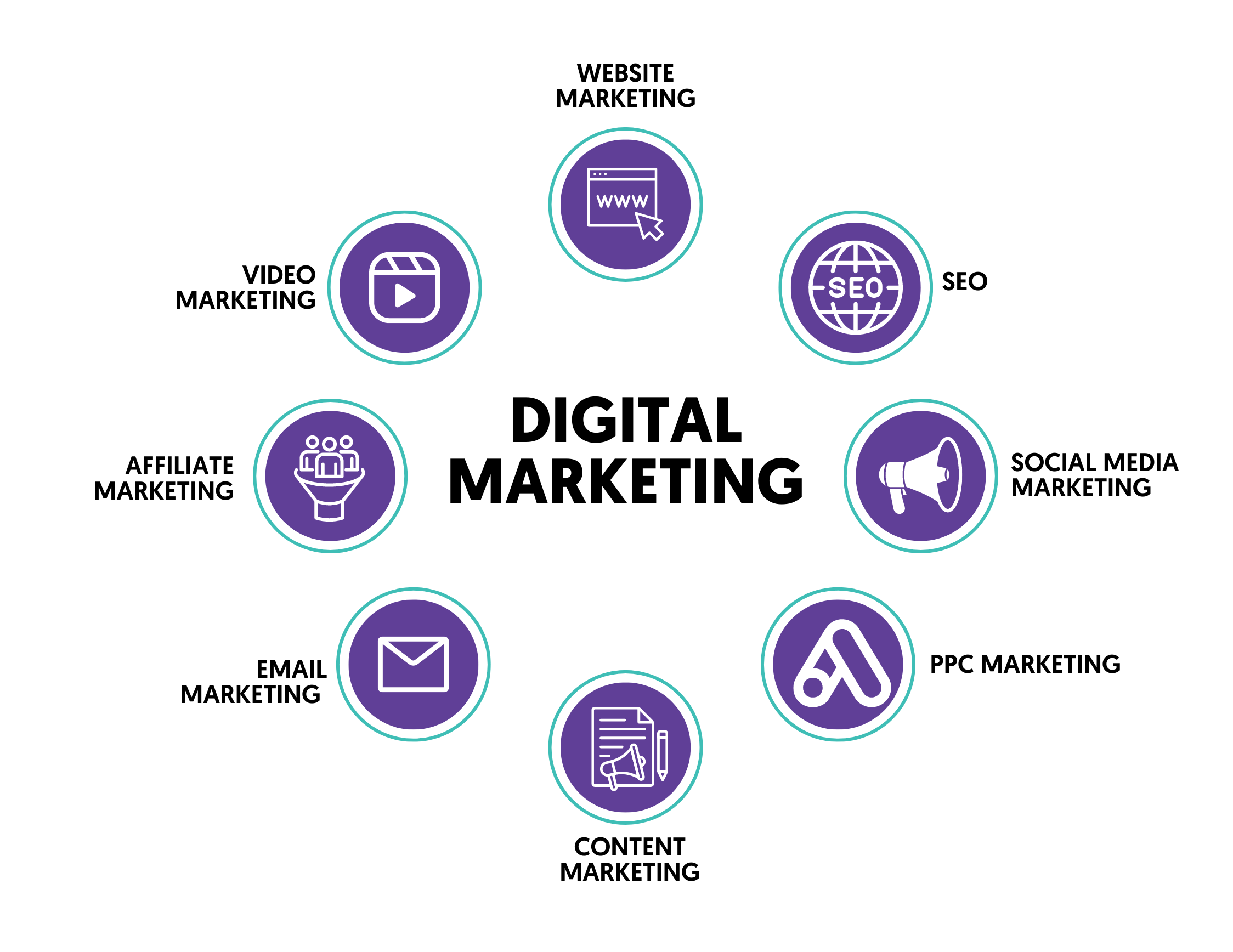
Here are a few main components of digital marketing:
- SEO (Search Engine Optimization): Improving your website to rank higher on search engines.
- Content Marketing: Creating valuable content to attract and engage your audience.
- Social Media Marketing: Using platforms like Facebook, Instagram, and Twitter to promote your brand.
- Email Marketing: Sending targeted emails to your customers.
Importance In Today’s World
Why is digital marketing so important today? It’s simple: the world is online. More and more people are using the internet to find products, services, and information. If your business isn’t online, you’re missing out.
Here are a few reasons why digital marketing is crucial:
- Global Reach: Unlike traditional marketing, digital marketing allows you to reach a global audience.
- Cost-Effective: Digital marketing is often more affordable than traditional methods like TV or print ads.
- Measurable Results: You can track and measure your campaigns’ success in real-time.
- Better Engagement: Digital marketing enables direct interaction with your customers.
Imagine a world where you can connect with anyone, anywhere, at any time. That’s the power of digital marketing. So why not harness this power to grow your business and reach new heights?
In the next sections, we’ll explore each component of digital marketing in more detail. Stay tuned and get ready to become a digital marketing pro!
:max_bytes(150000):strip_icc()/Term-Definitions_Digital-Marketing-5ae6ea1aee934b02a94a1a4d9401443d.jpg)
Credit: www.investopedia.com
Key Components
When it comes to digital marketing, understanding the key components is crucial for success. These components form the backbone of any effective online strategy. Let’s dive into the three main elements: SEO, Content Marketing, and Social Media Marketing.
Seo
Search Engine Optimization, commonly known as SEO, is like the GPS for your website. It helps people find you on search engines like Google. When done right, SEO can increase your website’s visibility and attract more visitors.
- Keywords: Using the right words that people search for.
- On-page SEO: Optimizing individual pages of your website.
- Off-page SEO: Building backlinks from other websites to yours.
Think of SEO as planting seeds. It takes time to see results, but the long-term benefits are worth it.
Content Marketing
Have you ever heard the phrase, “Content is king”? Well, it’s true! Content Marketing involves creating valuable and relevant content to attract and engage your target audience.
- Blog Posts: Regular articles that provide information or insights.
- Videos: Engaging visual content that can explain complex topics easily.
- Infographics: Visual representations of data and information.
Good content not only educates but also builds trust and credibility with your audience.
Imagine having a megaphone to reach millions of people. That’s what Social Media Marketing does. Platforms like Facebook, Instagram, and Twitter allow you to connect with your audience directly.
| Platform | Best For |
|---|---|
| Building community | |
| Visual content | |
| Real-time updates |
By sharing engaging and relevant content on social media, you can build a loyal following and drive traffic to your website.
In conclusion, mastering these key components – SEO, Content Marketing, and Social Media Marketing – can set you on the path to digital marketing success. Remember, each element complements the other, creating a cohesive strategy that amplifies your online presence.
Seo Fundamentals
Welcome to the world of SEO! If you’re just starting out in digital marketing, understanding SEO (Search Engine Optimization) is essential. Think of SEO as the secret recipe that helps your website show up higher in search engine results. This way, more people can find you online. Let’s dive into the basics of SEO and discover how you can make your website shine.
Keyword Research
Picture this: You’re in a massive library with millions of books. How do you find the exact book you need? Keywords are like the library’s catalog system. They help search engines know what your content is about. To start:
- Make a list of words and phrases related to your business.
- Use tools like Google Trends or Keyword Tool to find popular keywords.
- Focus on long-tail keywords (phrases with 3-4 words) since they are less competitive.
For example, if you sell handmade soaps, instead of just “soap,” you might use “organic lavender soap” to attract more specific searches.
On-page Seo
On-Page SEO is like decorating your store. You want everything to look inviting and be easy to find. Here are some key points to consider:
- Title Tags: Make sure each page has a unique and descriptive title.
- Meta Descriptions: Write short summaries for each page. This helps search engines and users understand your content.
- Headings: Use headings (like
,,) to organize your content. - Alt Text for Images: Describe your images for better accessibility and search engine understanding.
- Internal Links: Link to other pages on your site to keep visitors engaged.
Imagine your website is a cozy shop. You wouldn’t want people to leave because they can’t find what they’re looking for, right?
Off-page Seo
Off-Page SEO is like word-of-mouth marketing. It’s what others say about your shop. Search engines look at how popular and trustworthy your site is based on external factors. Key strategies include:
- Backlinks: Get other reputable websites to link to your content.
- Social Media: Share your content on social media to drive traffic.
- Guest Blogging: Write articles for other sites to reach new audiences.
Think of backlinks as recommendations from other shop owners. The more you have, the more people will trust your shop. And who doesn’t love a good recommendation?
Understanding these SEO fundamentals will set you on the right path to making your website more visible and attracting more visitors. Happy optimizing!
Content Marketing Strategies
Content marketing is vital for digital marketing success. It involves creating and sharing valuable content. This content attracts and engages a target audience. Here, we explore key strategies for effective content marketing.
Creating Valuable Content
Creating valuable content is the cornerstone of content marketing. Know your audience. Understand their needs and interests. Produce content that answers their questions. Use simple language. Keep sentences short. This makes your content easy to read. Use images and videos to make your content engaging. Visual content often attracts more attention.
Content Distribution
Creating great content is not enough. You need to share it widely. Use social media platforms like Facebook, Twitter, and LinkedIn. Share your content on these platforms. Email marketing is another effective way. Send your content to your subscribers. Collaborate with influencers. They can help spread your content to a wider audience.
Measuring Success
Measuring success is crucial in content marketing. Use analytics tools to track performance. Check metrics like page views, shares, and comments. Monitor how your audience interacts with your content. Identify what works and what does not. Adjust your strategy based on these insights. This helps improve your future content.
Welcome to the wild world of social media! It’s a bustling, vibrant space where digital marketing can truly shine. However, diving headfirst without a plan can lead to confusion and missed opportunities. So, let’s break down some effective tactics to help you navigate social media marketing like a pro.
Platform Selection
Choosing the right platform is like picking the right tool for a job. Not every social media platform will suit your business needs. Here’s a simple guide:
| Platform | Best For |
|---|---|
| General audience, community building, ads | |
| Visual content, younger audience, influencers | |
| Professional networking, B2B marketing | |
| Real-time updates, customer service, news | |
| TikTok | Creative video content, Gen Z audience |
Consider your audience and where they hang out the most. Are they professionals? Maybe LinkedIn is your best bet. Are they teens and young adults? TikTok might be your goldmine.
Engagement Techniques
Engagement is the heartbeat of social media. It’s not just about posting; it’s about interacting. Here are a few ways to boost your engagement:
- Ask Questions: Simple yet effective. People love sharing their opinions.
- Use Polls: Quick and fun way to engage your audience.
- Respond Promptly: Show your followers you care by responding to comments and messages quickly.
- Share User-Generated Content: It builds community and trust.
- Host Giveaways: Everyone loves freebies! It can increase your reach and engagement.
Remember, it’s a two-way street. Engage with your audience genuinely, and they will engage back.
Analytics
Analytics might sound intimidating, but it’s your best friend in digital marketing. It tells you what’s working and what’s not. Here’s a simplified approach:
- Track Key Metrics: Focus on metrics like engagement rate, reach, and conversions.
- Use Built-In Tools: Platforms like Facebook and Instagram have built-in analytics tools. Use them!
- Adjust Your Strategy: If something isn’t working, don’t be afraid to change it. Analytics will guide you.
In a nutshell, analytics help you understand your audience better and refine your tactics. It’s like having a map on your social media journey.
So, there you have it! Social media tactics are your stepping stones to making a mark in the digital world. Remember, it’s all about the right platform, engaging content, and continuous improvement through analytics.

Credit: www.socialsellinator.com
Email Marketing
Email marketing is a powerful tool in digital marketing. It involves sending emails to a list of subscribers. These emails can promote products, share news, or offer valuable information. The goal is to build relationships and drive sales.
Let’s explore the basics of email marketing.
Building A List
Start by building a list of email subscribers. Offer something valuable in exchange for their email address. This could be a free eBook, a discount, or exclusive content. Make sure your offer is relevant to your audience. Use signup forms on your website or social media.
Remember, it’s important to get permission before sending emails. This helps build trust and ensures your emails reach the right people.
Crafting Effective Emails
Crafting effective emails is key to successful email marketing. Start with a compelling subject line. This is the first thing your subscribers see. Keep it short and interesting.
Next, focus on the email content. Use a friendly tone and keep your message clear. Include a strong call-to-action. This guides your readers on what to do next.
Don’t forget to personalize your emails. Use the subscriber’s name and tailor the content to their interests. This makes your emails more engaging.
Automation Tools
Automation tools can save you time and effort. They help you send targeted emails based on subscriber behavior. For example, you can send a welcome email to new subscribers. Or, send a follow-up email after a purchase.
Popular automation tools include Mailchimp, Constant Contact, and Sendinblue. These tools offer features like automated workflows, analytics, and templates. Use them to streamline your email marketing efforts.
Ppc Advertising
Pay-Per-Click (PPC) advertising is a key part of digital marketing. It helps businesses reach their target audience quickly. With PPC, you pay for each click on your ads. This method ensures that you only spend money on potential customers. PPC can drive traffic to your website and increase sales.
Google Ads
Google Ads is a popular PPC platform. It allows businesses to display ads on Google’s search results pages. These ads appear when users search for specific keywords. You can customize your ads to target certain locations and languages. This increases the chances of reaching your ideal audience. Google Ads also provides detailed analytics. These insights help you understand which ads perform best.
Facebook Ads
Facebook Ads is another effective PPC platform. It allows you to target users based on their interests and behaviors. This makes it easier to reach your target audience. You can create various ad formats, such as image, video, and carousel ads. Facebook Ads also offers detailed targeting options. These options help you refine your audience even further. The platform provides insights into ad performance. These insights help you make informed decisions about your campaigns.
Budget Management
Managing your PPC budget is crucial. It ensures you get the best return on investment. Start by setting a daily or monthly budget for your campaigns. Monitor your spending regularly. Adjust your budget based on ad performance. Focus on high-performing ads. Reduce spending on ads that do not generate results. Use bid strategies to control costs. Automated bidding can help you manage your budget effectively. Always review your budget to maximize your PPC efforts.
Measuring And Analyzing Success
Measuring and analyzing success in digital marketing is crucial. It helps determine what works and what doesn’t. This process ensures your efforts yield desired outcomes. By understanding key metrics, using the right tools, and adjusting strategies, you can improve performance.
Key Metrics
Key metrics are essential in digital marketing. They help measure success and provide insights. Common metrics include website traffic, conversion rates, and click-through rates (CTR). Bounce rate, social media engagement, and email open rates also matter.
Website traffic shows the number of visitors. Conversion rates indicate how many visitors complete desired actions. CTR measures how often people click on your ads. Bounce rate shows the percentage of visitors who leave without interacting. Social media engagement tracks likes, shares, and comments. Email open rates reveal how many recipients open your emails.
Tools And Software
Various tools and software can help track and analyze key metrics. Google Analytics is popular for measuring website traffic and user behavior. It provides detailed reports and insights. SEMrush helps with SEO, keyword research, and competitor analysis. Hootsuite manages social media engagement across platforms. Mailchimp tracks email campaign performance. Each tool has unique features and benefits.
Google Analytics is user-friendly and comprehensive. SEMrush offers in-depth SEO insights. Hootsuite simplifies social media management. Mailchimp provides detailed email analytics. Using these tools together can give a complete picture of your digital marketing efforts.
Adjusting Strategies
Adjusting strategies based on data is vital. It helps improve performance and achieve goals. Analyze key metrics to identify trends and patterns. Look for areas needing improvement. Make data-driven decisions to refine your approach. Test different tactics to see what works best.
If website traffic is low, focus on SEO and content. If conversion rates are poor, improve landing pages. If social media engagement is lacking, create more engaging content. Regularly review and adjust strategies to stay on track. This ensures continuous growth and success.
Common Mistakes To Avoid
Understanding the basics of digital marketing is essential. Yet, avoiding common mistakes is equally important. Many businesses fail because they repeat the same errors. Let’s explore some common pitfalls to avoid in digital marketing.
Ignoring Analytics
Data is crucial in digital marketing. Ignoring analytics means you miss valuable insights. These insights can show you what works and what doesn’t. Without data, you are flying blind. Always track your performance. Use tools like Google Analytics to understand your audience. Make data-driven decisions to improve your strategy.
Overlooking Mobile Users
More people use mobile devices than ever before. Ignoring mobile users can limit your reach. Ensure your website is mobile-friendly. Optimize your content for mobile viewing. A slow or difficult mobile experience can drive users away. Prioritize mobile optimization to keep your audience engaged.
Lack Of Consistency
Consistency is key in digital marketing. Inconsistent efforts can confuse your audience. Maintain a regular posting schedule. Ensure your branding is uniform across all platforms. Consistency builds trust and recognition. Stick to a plan and remain committed.
Credit: www.reliablesoft.net
Future Trends
The digital marketing landscape is always changing. Future trends are shaping how businesses connect with their audience. These trends promise to make marketing more efficient and personalized. Staying updated on these trends can give your strategy a competitive edge.
Ai In Digital Marketing
Artificial intelligence (AI) is transforming digital marketing. AI tools analyze data quickly. They provide insights into customer behavior. Marketers can use these insights to improve their strategies. AI also helps automate tasks. This saves time and reduces human error.
AI-powered chatbots offer instant customer support. They handle common queries, enhancing user experience. Predictive analytics is another benefit. It forecasts trends and customer preferences. This allows for better targeting and personalization.
Voice Search
Voice search is growing rapidly. More people use smart speakers and voice assistants. Optimizing content for voice search is crucial. It involves using natural language and long-tail keywords. Voice search often includes questions. Creating content that answers these questions can improve visibility.
Local businesses can benefit from voice search. People often search for nearby services using voice. Ensuring your business information is accurate and up-to-date helps. Voice search optimization can drive more local traffic to your site.
Personalization
Personalization is key to engaging customers. It involves tailoring content to individual preferences. Personalized emails, recommendations, and ads are more effective. They make customers feel valued. This can increase loyalty and conversion rates.
Data collection is essential for personalization. Use customer data responsibly. Respect privacy and comply with regulations. Analyzing data helps understand customer needs and preferences. This allows for more accurate personalization.
Frequently Asked Questions
What Are The Basic Concepts Of Digital Marketing?
Digital marketing involves SEO, content creation, social media marketing, email marketing, PPC advertising, and analytics. These strategies help businesses reach and engage their target audience online.
What Are The 7 C’s Of Digital Marketing?
The 7 C’s of digital marketing are: Content, Customer, Context, Community, Convenience, Cohesion, and Conversion. These elements ensure effective marketing strategies.
What Is The 3-3-3 Rule In Marketing?
The 3-3-3 rule in marketing focuses on delivering three key messages, each supported by three facts, in three minutes.
What Are The 5 S’s Of Digital Marketing?
The 5 S’s of digital marketing are Strategy, Search, Social, Content, and Analytics. These elements drive online success.
Conclusion
Digital marketing basics are crucial for your online presence. Start with clear goals. Use social media to reach new audiences. Improve your website’s SEO. Create engaging content regularly. Track your results and adjust strategies. Understanding these basics helps your business grow online.
Keep learning and adapting. Digital marketing is always changing. Stay updated to stay ahead. With these simple steps, you’ll see progress. Happy marketing!


0 Comments