In today’s digital world, marketing skills are vital. Every business needs them to succeed online.
Digital marketing skills cover a wide range of abilities. These skills help you connect with customers, boost sales, and grow your brand. From social media to SEO, mastering these skills can set you apart. Understanding digital marketing is not just for marketers.
Business owners, entrepreneurs, and even students can benefit. These skills can open new doors and create opportunities. Ready to dive in? Let’s explore the essential digital marketing skills you need today.
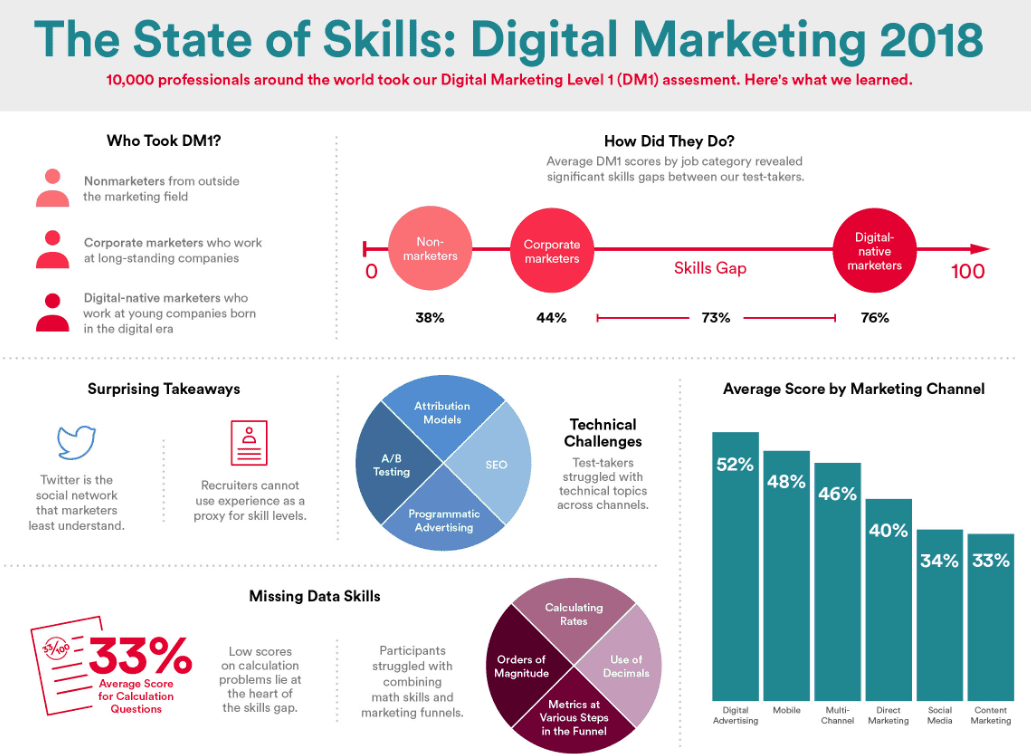
Credit: www.smartinsights.com
Introduction To Digital Marketing
Digital marketing is essential in today’s business world. It uses online platforms to reach customers. This marketing form is diverse and ever-changing. It covers social media, SEO, email marketing, and more. Learning digital marketing skills opens many opportunities.
Importance In Modern Economy
Businesses must adapt to digital marketing. It helps them stay competitive. Customers spend much time online. Digital marketing targets these customers effectively. It allows businesses to reach a wider audience. Traditional marketing methods do not offer this reach.
Digital marketing is cost-effective. Small businesses can compete with larger ones. They can use targeted campaigns. This helps them grow and thrive. Digital marketing also provides measurable results. Businesses can track their performance. They can adjust strategies for better outcomes.
Career Growth Potential
Digital marketing offers many career options. Roles include content creation, social media management, and SEO. These jobs are in demand. Companies need skilled marketers to stay relevant. Digital marketing skills are highly valued. They open doors to various industries.
Professionals with these skills can advance quickly. They can take on higher roles. They can also work as freelancers. This flexibility is attractive. It allows for a better work-life balance. Learning digital marketing is a smart career move.
Credit: www.skillsyouneed.com
Essential Digital Marketing Skills
In today’s fast-paced digital world, having the right digital marketing skills can make all the difference. Whether you are just starting out or looking to enhance your expertise, mastering these skills can help you stay ahead of the curve. Let’s dive into some of the essential digital marketing skills you need to succeed.
Seo And Sem
Search Engine Optimization (SEO) and Search Engine Marketing (SEM) are the backbone of digital marketing. They help your content rank higher on search engines, making it easier for people to find you.
- SEO: This involves optimizing your website to get organic traffic from search engines. It includes using the right keywords, creating quality content, and building backlinks.
- SEM: This is a broader strategy that includes both SEO and paid advertising, such as Google Ads. It helps you reach your audience quickly by placing ads at the top of search results.
For example, I once worked on a project where we increased organic traffic by 50% in just three months through effective SEO techniques. It was all about using the right keywords and creating engaging content.
Content Creation
Content is king in the digital marketing world. Creating high-quality, engaging content is crucial for attracting and retaining customers.
- Know Your Audience: Understand who you are creating content for. This helps you tailor your message to meet their needs.
- Be Clear and Concise: Use simple language and get to the point quickly. People have short attention spans, so make every word count.
- Use Visuals: Include images, videos, and infographics to make your content more engaging and easier to understand.
Remember, great content is not just about words. It’s about telling a story that resonates with your audience. I once created a blog post with an engaging story and saw a 30% increase in engagement. It was all about connecting with the readers on a personal level.
Mastering these essential digital marketing skills can set you on the path to success. So, what are you waiting for? Start honing these skills today and watch your digital presence grow!
In today’s digital age, social media marketing is a crucial skill for anyone looking to make a mark in the online world. Whether you’re a budding entrepreneur, a small business owner, or a digital marketing enthusiast, mastering social media can significantly boost your online presence. By understanding the nuances of different platforms and knowing how to engage effectively with your audience, you can turn casual followers into loyal customers. Let’s dive into the essential strategies and techniques that will help you excel in social media marketing.
Platform Strategies
Each social media platform has its own unique style and audience. Understanding these differences is key to crafting your strategy.
| Platform | Primary Audience | Content Type |
|---|---|---|
| General public, all ages | Text, images, videos, live streams | |
| Younger audience, visual-centric | Images, short videos, stories | |
| Professionals, B2B | Articles, professional updates, networking |
It’s vital to tailor your content to fit the platform’s strengths. For example, Instagram thrives on high-quality visuals, while LinkedIn is perfect for sharing industry insights and professional accomplishments.
Engagement Techniques
Engagement is the heartbeat of social media marketing. Here are some techniques to keep your audience hooked:
- Consistency: Post regularly to stay top of mind. Create a content calendar to plan and schedule posts in advance.
- Authenticity: Be genuine in your interactions. Share behind-the-scenes content and personal stories to build a connection.
- Interactive Content: Use polls, quizzes, and Q&A sessions to encourage participation.
- Respond Promptly: Engage with comments and messages quickly. It shows you care about your audience’s feedback.
Remember, social media is not just a broadcasting tool. It’s a two-way street where interaction and engagement are paramount. So, don’t just post and vanish. Stick around to engage with your followers.
By mastering these platform strategies and engagement techniques, you’ll be well on your way to becoming a social media marketing pro. With time, patience, and a bit of creativity, you can turn your social media channels into powerful marketing tools that drive real results.
Email Marketing Proficiency
Email marketing is a critical skill in the digital marketing toolbox. It’s not just about sending emails to a list of subscribers. It’s about crafting messages that resonate, engage, and convert. For non-native English speakers, mastering email marketing can be a game-changer. Let’s break down the essentials to help you understand and apply them effectively.
Effective Campaigns
Creating effective email campaigns involves several steps. First, start with a clear goal. What do you want to achieve? More sales, increased website traffic, or maybe brand awareness? Knowing your goal helps shape your message.
Next, focus on your audience. Segment your email list to target specific groups. This ensures that your message is relevant to each recipient.
- Subject Line: Make it catchy and to the point. It’s the first thing people see, so it needs to grab attention.
- Content: Keep it short and sweet. Use simple language and avoid jargon. Non-native speakers appreciate clear and concise messages.
- Call to Action (CTA): Be clear about what you want the reader to do next. Whether it’s clicking a link, buying a product, or reading a blog post, make your CTA stand out.
Remember, testing is key. Experiment with different subject lines, content formats, and CTAs to see what works best.
Personalization Tactics
Personalization is more than just using a subscriber’s name in an email. It’s about making the recipient feel special and understood. Here are some simple tactics to personalize your emails:
- Use Their Name: Addressing someone by their name makes the email feel more personal.
- Segment Your List: Group your subscribers based on their interests or behaviors. This way, you can send more targeted and relevant content.
- Birthday Emails: Send a special message on their birthday. It’s a small gesture that can make a big impact.
- Product Recommendations: Suggest products based on their past purchases or browsing history. This shows that you understand their needs.
Personalization can significantly increase engagement rates. People are more likely to open and interact with emails that feel tailored to them.
With these insights, you’re well on your way to mastering email marketing. Remember, it’s all about understanding your audience and delivering value. Happy emailing!
Data Analytics And Reporting
In today’s digital age, data is the new oil. It’s crucial for businesses to harness this valuable resource for informed decision-making. This is where Data Analytics and Reporting come into play. Understanding how to analyze and interpret data can make a huge difference in your digital marketing strategy. Let’s dive into the world of data analytics and reporting, breaking it down into manageable parts.
Key Metrics
When we talk about data analytics, it’s all about the numbers. But which numbers matter the most? Here are some key metrics you should keep an eye on:
- Conversion Rate: This tells you how many visitors are taking the desired action on your site, like making a purchase or signing up for a newsletter.
- Click-Through Rate (CTR): This metric shows the percentage of people who clicked on your ad or link out of the total who viewed it.
- Bounce Rate: This indicates the percentage of visitors who leave your site after viewing only one page. A high bounce rate could mean your content isn’t engaging.
- Customer Lifetime Value (CLV): This measures the total revenue you can expect from a single customer account. It’s crucial for understanding long-term profitability.
- Return on Investment (ROI): This metric helps you understand the profitability of your marketing campaigns by comparing the net profit to the cost of the campaign.
Tools And Software
To make sense of all this data, you need the right tools. Fortunately, there are many software options available, each with its own strengths. Here are some of the most popular ones:
- Google Analytics: This is a free tool from Google that provides detailed insights into your website traffic and user behavior. It’s a must-have for any digital marketer.
- HubSpot: Known for its user-friendly interface, HubSpot offers robust analytics and reporting features that help you track your marketing efforts across different channels.
- Tableau: If you’re looking for advanced data visualization, Tableau is your go-to. It helps turn raw data into actionable insights with beautiful, interactive dashboards.
- SEMrush: This tool is great for SEO and competitive analysis. It provides comprehensive reports on keyword rankings, backlinks, and site audits.
- Microsoft Excel: While it might seem old school, Excel is incredibly powerful for data manipulation and analysis, especially when combined with other tools.
In conclusion, mastering data analytics and reporting is essential for any digital marketer. By focusing on the key metrics and utilizing the right tools, you can gain a deeper understanding of your audience and optimize your marketing strategies for better results. Remember, the goal is not just to collect data but to translate it into actionable insights that drive growth.
Pay-per-click Advertising
Pay-Per-Click (PPC) advertising is a significant digital marketing skill. It helps businesses drive traffic quickly. You pay a fee each time someone clicks your ad. This method can be very effective.
PPC ads appear on search engines and social media platforms. They target specific audiences. You can control your budget and measure results. Let’s explore the key components of PPC advertising.
Ad Platforms
Several platforms offer PPC advertising. Google Ads is the most popular. It displays ads on search results and partner sites. Bing Ads is another option. It reaches a different audience. Social media platforms also offer PPC ads.
Facebook Ads let you target users based on interests. Instagram Ads work similarly. LinkedIn Ads target professionals. Each platform has unique features. Choosing the right one is crucial. It depends on your goals and audience.
Budget Management
Managing your PPC budget is essential. Set a daily or monthly budget. Monitor your spending closely. Adjust your budget based on performance. Use tools to track your ROI. Bid wisely on keywords. High bids can drain your budget fast.
Start with a small budget. Test different ads and keywords. See what works best. Then, allocate more funds to successful campaigns. Always keep an eye on your budget. Avoid overspending.
Video Marketing Techniques
In today’s digital age, video marketing has taken the front seat in the world of advertising. With the rise of platforms like YouTube, TikTok, and Instagram, videos have become a powerful tool for brands to connect with their audience. But, how do you make your videos stand out in the crowded digital space? Let’s dive into some effective video marketing techniques.
Content Planning
Creating engaging video content starts with proper planning. Here are a few steps to get you started:
- Understand Your Audience: Know who you are talking to. What are their interests? What problems do they face that your product or service can solve?
- Set Clear Goals: Are you trying to increase brand awareness, drive traffic to your website, or boost sales? Setting clear objectives will guide your content creation process.
- Brainstorm Ideas: Think about what kind of videos will resonate with your audience. This could be how-to videos, product reviews, or behind-the-scenes looks at your company.
- Create a Script: Even if your video appears casual, having a script helps keep your message clear and on point.
Optimization Strategies
Once you have your video content planned, it’s time to optimize it for maximum reach and engagement. Here are some strategies to consider:
- SEO for Videos: Use relevant keywords in your video title, description, and tags. This helps search engines understand what your video is about and makes it easier for people to find.
- Engaging Thumbnails: Thumbnails are like the cover of a book. A compelling thumbnail can make the difference between someone clicking on your video or scrolling past it.
- Call to Action: Encourage viewers to take action, whether it’s subscribing to your channel, visiting your website, or leaving a comment. A clear call to action can significantly increase engagement.
- Social Sharing: Share your videos on social media platforms. Encourage your followers to share them as well, increasing your reach even further.
Remember, successful video marketing is a blend of creativity and strategy. By planning your content and optimizing it effectively, you can make a lasting impact on your audience. So, what are you waiting for? Start creating and sharing your videos today!
Credit: digitalmarketinginstitute.com
Building A Personal Brand
Building a personal brand is crucial in digital marketing. A strong personal brand helps you stand out. It shows your expertise and values. It also builds trust and attracts opportunities. To build a personal brand, focus on your online presence and networking opportunities.
Online Presence
Your online presence is your digital footprint. It includes social media profiles, blogs, and websites. Ensure your profiles are professional and updated. Share valuable content that reflects your expertise. Engage with your audience through comments and messages. Consistency is key. Post regularly and maintain a cohesive brand image.
Use SEO strategies to improve visibility. Optimize your profiles with relevant keywords. This will help people find you easily. A strong online presence builds credibility and trust.
Networking Opportunities
Networking opens doors to new opportunities. Connect with industry professionals and influencers. Join online forums and groups related to your field. Attend webinars, conferences, and virtual events. These platforms allow you to share ideas and gain insights. Build relationships by engaging with others’ content. Offer help and share your knowledge.
Networking is not just about gaining; it’s about giving. Be genuine and authentic in your interactions. Over time, these connections can lead to collaborations and job opportunities. Strong networks are valuable for personal and professional growth.
Future Trends In Digital Marketing
Digital marketing is constantly evolving, and staying ahead of the curve can make a significant difference in your success. With new technologies emerging every day, the future of digital marketing looks brighter than ever. In this section, we’ll explore some of the most exciting trends that are shaping the future of this dynamic field.
Ai And Automation
Artificial Intelligence (AI) and automation are revolutionizing digital marketing. AI can analyze vast amounts of data quickly, allowing marketers to understand their audience better. This means more personalized and effective campaigns. For example, AI can segment your audience based on their behavior, preferences, and demographics, ensuring your message reaches the right people at the right time.
Moreover, automation tools can handle repetitive tasks, freeing up your time for more creative work. Imagine automating your email marketing campaigns, social media posts, and even customer service. It’s like having a virtual assistant working around the clock! Here are some ways AI and automation are transforming digital marketing:
- Chatbots: These AI-powered assistants can engage with customers in real-time, providing instant support and enhancing user experience.
- Predictive Analytics: AI can predict future trends and customer behaviors, helping you make data-driven decisions.
- Content Creation: Tools like GPT-3 can generate high-quality content, saving you time and effort.
- Ad Optimization: AI can optimize your ads for better performance, ensuring you get the most out of your budget.
Voice Search
Voice search is becoming increasingly popular, thanks to smart speakers and virtual assistants like Alexa, Google Assistant, and Siri. People are now using their voices to search for information, make purchases, and even control their smart homes. This trend has significant implications for digital marketers.
To stay ahead, you need to optimize your content for voice search. This means using natural language, answering questions directly, and focusing on long-tail keywords. Here are a few tips to help you get started:
- Understand User Intent: Voice searches are often conversational, so think about the questions your audience might ask.
- Optimize for Featured Snippets: Aim to get your content featured in the coveted “position zero” on Google, as this is often the answer provided by voice assistants.
- Local SEO: Many voice searches are location-based. Make sure your business is listed on Google My Business and other local directories.
- Mobile-Friendly Website: Ensure your website is mobile-friendly, as most voice searches are conducted on mobile devices.
As you can see, the future of digital marketing is full of exciting opportunities. By embracing these trends, you can stay ahead of the competition and connect with your audience in new and innovative ways. So, are you ready to take your digital marketing skills to the next level?
Frequently Asked Questions
What Skills Are Required For Digital Marketing?
Digital marketing requires skills in SEO, content creation, social media management, data analysis, PPC advertising, email marketing, and analytics.
What Are The 5 Basic Digital Skills?
The 5 basic digital skills are: 1. Email communication. 2. Online research. 3. Social media management. 4. Basic data handling. 5. Cybersecurity awareness.
What Are The 7 Areas Of Digital Marketing?
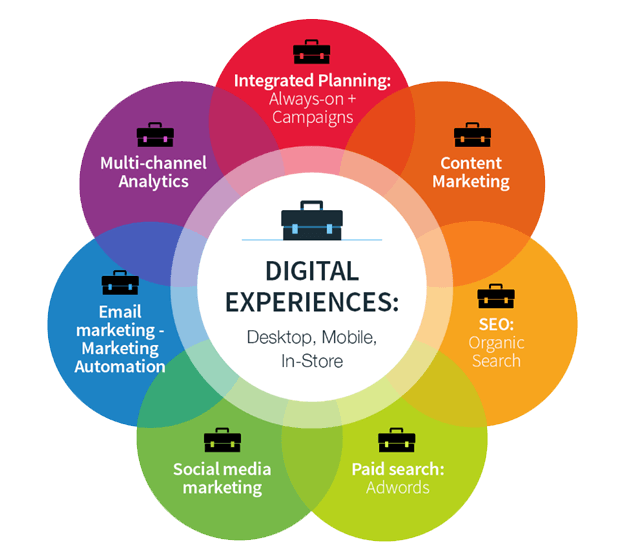
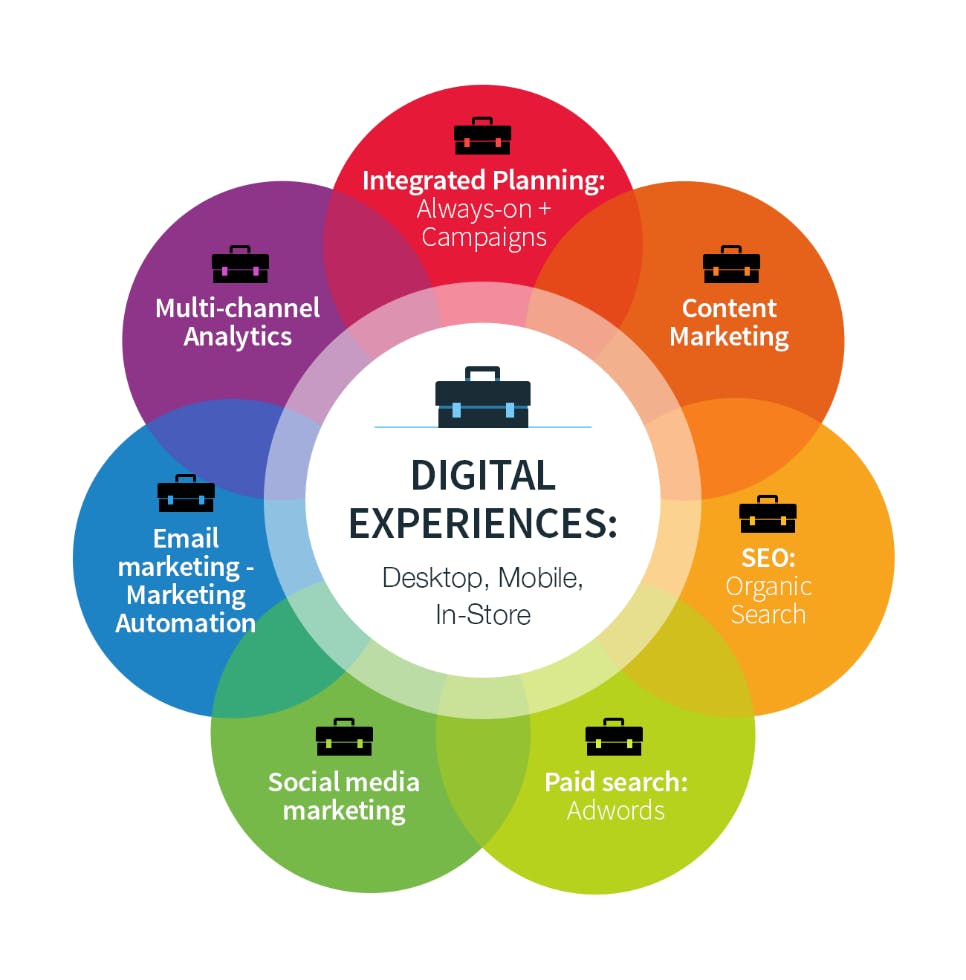
The 7 areas of digital marketing are: Search Engine Optimization, Content Marketing, Social Media Marketing, Pay-Per-Click Advertising, Email Marketing, Mobile Marketing, and Marketing Analytics.
What Are The 3 Most Important Things In Digital Marketing?
The 3 most important things in digital marketing are quality content, effective SEO strategies, and active social media engagement.
Conclusion
Building strong digital marketing skills is essential in today’s online world. These skills help businesses grow and connect with customers. Practice makes perfect. Keep learning, stay updated, and apply your knowledge. This will ensure success in your digital marketing journey.
Remember, every expert was once a beginner. Stay curious and keep experimenting. Your efforts will pay off with time and dedication.


0 Comments