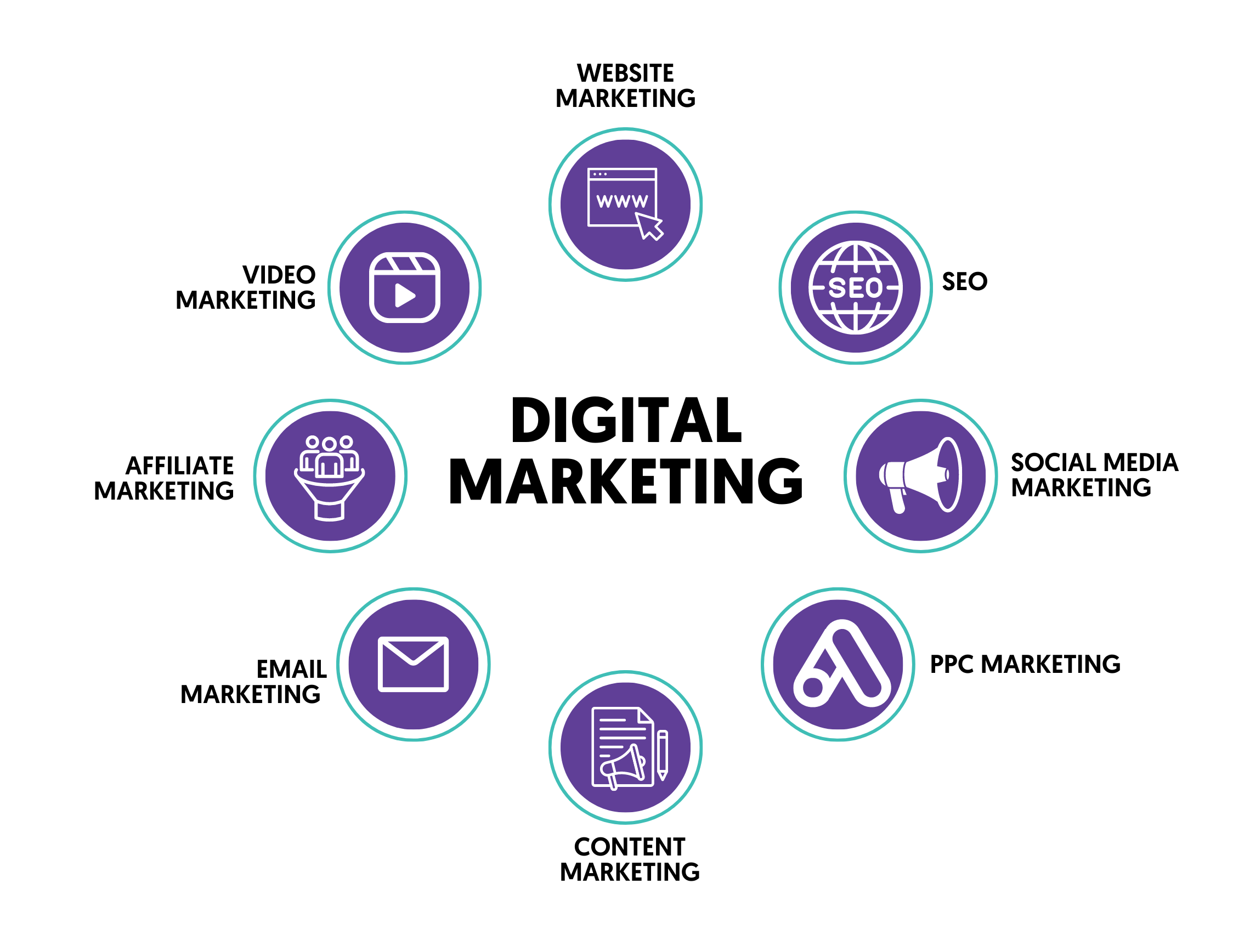
Digital marketing is the promotion of products or services using digital channels. These channels include websites, social media, email, and search engines.
In today’s world, digital marketing plays a vital role in business success. It’s a powerful tool that connects businesses with their target audience online. Understanding digital marketing is essential for anyone looking to grow their business or career. It involves various strategies like SEO, content marketing, and PPC.
Each strategy has its own unique benefits and can be tailored to fit specific goals. As more people rely on the internet for information and shopping, the importance of digital marketing continues to rise. Let’s explore what digital marketing means and how it can impact your business.

Credit: www.socialsellinator.com
Introduction To Digital Marketing
Digital marketing is a powerful tool in today’s business world. It uses the internet and electronic devices to promote products and services. This method connects businesses with customers in new and effective ways. Understanding digital marketing is essential for modern businesses.
The Evolution Of Marketing
Marketing has changed a lot over the years. Traditional marketing relied on print ads, TV commercials, and billboards. These methods reached a wide audience but lacked precision. Digital marketing emerged with the rise of the internet. It brought new opportunities and strategies.
Early digital marketing included emails and basic websites. As technology advanced, so did marketing techniques. Social media, search engines, and mobile apps became key players. These tools allow businesses to target specific audiences. They also provide detailed feedback and data.
Why Digital Marketing Matters
Digital marketing offers many advantages. It reaches a global audience quickly and efficiently. Businesses can engage with customers in real-time. This builds stronger relationships and trust.
Another benefit is cost-effectiveness. Digital marketing often costs less than traditional methods. Small businesses can compete with larger ones on a level playing field. Analytics tools help measure success and adjust strategies. This ensures that marketing efforts are effective and efficient.
Digital marketing also adapts to changing trends. It keeps businesses relevant in a fast-paced world. Staying updated with the latest techniques is crucial. This helps businesses remain competitive and successful.
Core Components
Digital marketing is a vast field with many key elements. These elements work together to promote products and services online. Understanding the core components of digital marketing is essential. This knowledge helps businesses succeed in the digital world.
Search Engine Optimization (seo)
SEO is a crucial part of digital marketing. It involves optimizing your website to rank higher on search engines. Higher rankings lead to more visibility and traffic. Keywords, meta tags, and backlinks are important for SEO. Quality content also plays a significant role. The goal of SEO is to attract organic traffic. This traffic comes from search engine results.
Content Marketing
Content marketing focuses on creating valuable content. This content attracts and engages your target audience. Blogs, videos, and social media posts are examples of content marketing. Quality content builds trust with your audience. It also positions your brand as an industry leader. Consistent, relevant content keeps your audience coming back. This increases your chances of converting visitors into customers.
social media marketing is a powerful tool in the digital marketing toolbox. It involves using social media platforms to connect with your audience, increase brand awareness, and boost sales. Let’s dive into the key aspects of social media marketing, shall we?
Popular Platforms
When it comes to social media marketing, choosing the right platform is crucial. Different platforms attract different types of audiences. Here are some of the most popular ones:
- Facebook: Great for reaching a broad audience. Ideal for sharing updates, ads, and engaging with followers.
- Instagram: Perfect for visually-driven content. Best for sharing photos, videos, and engaging with a younger audience.
- Twitter: Excellent for real-time updates and quick interactions. Great for news, customer service, and trending topics.
- LinkedIn: Ideal for B2B marketing. Perfect for networking, sharing professional content, and recruiting.
- Pinterest: Best for visual inspiration. Ideal for sharing ideas, DIY projects, and reaching a predominantly female audience.
Engagement Strategies
Engaging with your audience is key to successful social media marketing. Here are some strategies to boost engagement:
- Post Regularly: Consistency is crucial. Create a content calendar to stay on track.
- Use Visuals: Images and videos catch the eye and are more likely to be shared.
- Interact with Followers: Respond to comments and messages. Show your audience that you care.
- Run Contests and Giveaways: Everyone loves free stuff. Contests and giveaways can increase engagement and followers.
- Share User-Generated Content: Encourage your followers to create content for you. It’s authentic and builds community.
Remember, social media marketing is not just about broadcasting your message. It’s about creating a conversation. Think of it like a party – you wouldn’t just talk about yourself the whole time, right?
So, which platform will you start with, and what’s your first post going to be? Share your thoughts and let’s get the conversation started!
Email Marketing
Email marketing is a powerful tool in digital marketing. It involves sending emails to a group of people. The goal is to promote products, services, or content. It helps businesses connect with their audience directly. Email marketing can drive traffic, increase sales, and build brand loyalty.
Building A Subscriber List
First, create a subscriber list. This list contains people who opt-in to receive your emails. Use signup forms on your website. Offer something valuable in return. This could be a discount, e-book, or exclusive content. Make the signup process easy. Ask for the minimum information needed. Usually, a name and email address are enough.
Crafting Effective Emails
Next, focus on crafting effective emails. Start with a catchy subject line. It should grab attention and spark interest. Keep your email content clear and concise. Use simple language. Break up text with short paragraphs and bullet points. Include a clear call-to-action. This tells the reader what to do next. For example, “Click here to shop now” or “Sign up for our webinar”.
Personalize your emails. Use the subscriber’s name. Segment your list based on interests or behaviors. Send relevant content to each segment. This increases engagement and conversion rates. Regularly test and optimize your emails. Experiment with different subject lines, content, and send times. Analyze the results to see what works best.
Pay-per-click Advertising
Pay-Per-Click (PPC) advertising is a key part of digital marketing. It involves advertisers paying a fee each time one of their ads is clicked. This model allows businesses to buy visits to their site, rather than earning them organically. PPC can be an effective way to drive traffic and generate leads quickly.
Google Ads
Google Ads is a popular PPC platform. It allows businesses to create ads that appear on Google’s search engine results page. You bid on keywords related to your business. When someone searches for those keywords, your ad might appear. You only pay when a user clicks on your ad. Google Ads can help you reach a large audience. It’s effective for targeting specific demographics and locations. This makes it a powerful tool for driving traffic and increasing sales.
Social media ads are another form of PPC advertising. Platforms like Facebook, Instagram, and Twitter offer PPC options. These ads appear in users’ feeds or sidebars. You target users based on their interests, behaviors, and demographics. This allows for precise targeting. It ensures your ads reach the right audience. Social media ads can be highly engaging. They often include images and videos. This makes them more appealing to users. PPC advertising on social media can drive traffic, increase brand awareness, and boost sales.
Credit: www.reliablesoft.net
Analytics And Metrics
Understanding the effectiveness of your digital marketing efforts is crucial to the success of your campaigns. This is where Analytics and Metrics come into play. They offer insights into how well your strategies are performing and help you make informed decisions. But what exactly should you be tracking? Let’s dive into the key aspects of Analytics and Metrics.
Tracking Performance
Tracking performance is like having a GPS for your marketing campaigns. Without it, you’re just driving aimlessly. Analytics tools, such as Google Analytics, help you monitor the progress of your efforts. They show where your traffic is coming from, which pages are most popular, and how users are interacting with your content.
- Website Traffic: Understand the number of visitors to your site.
- User Behavior: See how visitors navigate through your site.
- Conversion Rates: Measure how many visitors complete desired actions.
Imagine running a marathon without knowing how far you’ve gone. Sounds exhausting, right? That’s why tracking performance is essential. It keeps you informed and on the right track.
Key Metrics To Monitor
So, what are the key metrics you should keep an eye on? Here’s a breakdown of the most crucial ones:
- Traffic Sources: This tells you where your visitors are coming from, be it social media, search engines, or direct visits. Knowing this helps you allocate resources more effectively.
- Click-Through Rate (CTR): This metric shows the percentage of people who click on your ad or link after seeing it. A higher CTR indicates that your content is engaging and relevant.
- Bounce Rate: This is the percentage of visitors who leave your site after viewing only one page. A high bounce rate may suggest that your content isn’t meeting visitors’ expectations.
- Conversion Rate: This measures the percentage of visitors who complete a desired action, such as making a purchase or filling out a form. It’s a direct indicator of your campaign’s success.
- Customer Lifetime Value (CLV): This metric shows the total revenue you can expect from a customer over the lifetime of their relationship with your business. It’s vital for understanding long-term ROI.
By keeping an eye on these metrics, you can fine-tune your strategies and improve your overall marketing performance. Remember, data is your best friend in the world of digital marketing. It’s like having a crystal ball that shows you what’s working and what’s not.
In conclusion, understanding Analytics and Metrics is essential for any digital marketer. They help you track performance, monitor key metrics, and make data-driven decisions. So, why not start leveraging these insights today? Your future self will thank you.
Content Creation
Content creation is a key part of digital marketing. It involves making different types of content to engage your audience. Good content can attract new customers and keep them interested. Let’s look at the different types of content and how to plan and schedule them effectively.
Types Of Content
Content comes in many forms. Blogs and articles are popular. They provide valuable information and improve your search engine ranking. Videos are also effective. People like watching videos to learn new things. Social media posts help you connect with your audience. Infographics are another great type. They present information in a visual way. Podcasts are growing in popularity. They are a good way to share knowledge and stories.
Content Planning And Scheduling
Planning your content is important. It helps you stay organized. Start with a content calendar. This will help you plan what to post and when. Think about your audience. What do they want to know? What problems do they have? Create content that answers these questions.
Scheduling your content is also key. Use tools like Buffer or Hootsuite. These tools help you schedule posts in advance. This ensures a consistent posting schedule. Consistency is important for building trust with your audience.
Measure your content’s performance. Look at metrics like likes, shares, and comments. This will help you understand what works and what doesn’t. Adjust your strategy based on these insights.

Credit: www.linkedin.com
Future Trends
Digital marketing is constantly evolving. With new technologies and strategies emerging, staying ahead of the curve is essential. The future trends in digital marketing promise to reshape the industry. Businesses must adapt to maintain their competitive edge.
Artificial Intelligence
Artificial Intelligence (AI) is transforming digital marketing. AI algorithms analyze vast amounts of data quickly. This allows businesses to make informed decisions. Chatbots powered by AI enhance customer service. They provide instant responses to queries. AI also helps in predicting customer behavior. This enables personalized marketing campaigns. AI-driven tools improve efficiency and accuracy in targeting audiences.
Personalization
Personalization is a key trend in digital marketing. Consumers expect tailored experiences. Personalized content increases engagement and conversion rates. Marketers use data to understand customer preferences. This information is used to create customized messages. Email marketing benefits greatly from personalization. Personalized emails have higher open rates. Websites also offer personalized recommendations. This improves the user experience and boosts sales.
Frequently Asked Questions
What Is Digital Marketing In Simple Words?
Digital marketing uses online channels to promote products or services. It includes social media, email, SEO, and content marketing.
What Do Digital Marketers Do?
Digital marketers promote products and services online. They use SEO, content marketing, social media, and email campaigns. They analyze data to optimize strategies and increase engagement.
What Are The 7 Types Of Digital Marketing?
The 7 types of digital marketing are: 1. Search Engine Optimization (SEO) 2. Content Marketing 3. Social Media Marketing 4. Pay-Per-Click (PPC) Advertising 5. Email Marketing 6. Affiliate Marketing 7. Influencer Marketing
Is Digital Marketing A Good Career?
Yes, digital marketing is a great career. It offers high demand, diverse opportunities, and potential for growth.
Conclusion
Digital marketing shapes how businesses reach their audience today. It offers tools for effective online presence. With digital strategies, companies can connect with customers easily. Remember, staying updated with trends is crucial. Digital marketing evolves quickly. Embrace the change, adapt, and grow your business.
Start small, learn, and improve. Your efforts will pay off. Happy marketing!


0 Comments