Digital marketing is a growing field. Many businesses rely on it for success.
Understanding the job description can help you find the right career fit. Digital marketing involves various roles and skills. These include SEO, content creation, and social media management. The digital marketing landscape is ever-changing. This makes it both challenging and exciting.
Companies need skilled professionals to stay ahead. A clear job description helps in setting expectations. It outlines the skills needed and the tasks involved. This blog will break down the key elements of a digital marketing job. It will help you understand what employers look for. Get ready to dive into the world of digital marketing!
Introduction To Digital Marketing
In today’s fast-paced world, businesses are shifting gears from traditional marketing to digital marketing. But what exactly is digital marketing, and why is it so crucial in today’s market? Let’s dive into the basics and understand its importance.
What Is Digital Marketing?
Digital marketing is the promotion of products or services using digital channels. This includes the internet, social media, search engines, email, and mobile apps. Unlike traditional marketing, digital marketing allows businesses to reach a global audience with minimal costs.
Imagine you own a small bakery. Through social media, you can showcase your delicious cakes to people not only in your neighborhood but also to potential customers across the city or even the country. The power of digital marketing is immense and can help small businesses grow exponentially.
Importance In Today’s Market
Why is digital marketing so important today? Let’s break it down:
- Global Reach: You can reach anyone, anywhere in the world with an internet connection.
- Cost-Effective: Digital marketing is generally cheaper than traditional methods.
- Measurable Results: Tools like Google Analytics let you track your campaigns’ success.
- Targeted Advertising: You can target specific demographics, making your campaigns more effective.
Consider this: if you’re advertising a new product, you can target specific age groups, locations, and even interests. This precision ensures your message reaches the right audience, maximizing your return on investment (ROI).
| Traditional Marketing | Digital Marketing |
|---|---|
| High Costs | Lower Costs |
| Limited Reach | Global Reach |
| Hard to Measure | Easy to Measure |
It’s clear that digital marketing is not just a trend but a necessity for businesses aiming to thrive in the modern market. Whether you’re a startup or an established brand, embracing digital marketing strategies can open up a world of opportunities.

Credit: www.velvetjobs.com
Key Skills For Digital Marketing Professionals
In the fast-paced world of digital marketing, having the right skills is crucial. Whether you are just starting your career or looking to advance, understanding the key skills required can make all the difference. This section will break down the essential skills every digital marketing professional should have, categorized under technical, creative, and analytical skills.
Technical Skills
Technical skills are the backbone of digital marketing. These skills involve understanding and using various digital tools and platforms. Here are some essential technical skills:
- SEO: Search Engine Optimization is vital for improving website visibility on search engines.
- Content Management Systems (CMS): Knowing how to use CMS like WordPress can help manage and publish content effectively.
- Social Media Platforms: Proficiency in platforms like Facebook, Instagram, and LinkedIn is essential for social media marketing.
- Email Marketing Tools: Tools like MailChimp and Constant Contact are crucial for creating and managing email campaigns.
- Data Analytics: Understanding tools like Google Analytics helps track and measure campaign performance.
Creative Skills
Creativity is at the heart of digital marketing. It’s what makes your campaigns stand out and engage your audience. Key creative skills include:
- Content Creation: Writing engaging blog posts, creating eye-catching graphics, and producing videos.
- Copywriting: Crafting compelling headlines, ad copy, and social media posts.
- Design: Basic knowledge of graphic design tools like Adobe Photoshop or Canva can be very helpful.
- Storytelling: The ability to tell a brand’s story in a way that resonates with the audience.
Analytical Skills
Analytical skills are crucial for understanding the impact of your digital marketing efforts. These skills help you make data-driven decisions. Important analytical skills include:
- Data Interpretation: The ability to read and understand data reports to gauge campaign success.
- Market Research: Understanding market trends and consumer behavior to tailor your campaigns.
- Performance Tracking: Monitoring KPIs (Key Performance Indicators) to measure the effectiveness of marketing strategies.
- A/B Testing: Conducting tests to determine what works best for your audience.
In conclusion, being a digital marketing professional requires a balanced mix of technical, creative, and analytical skills. Mastering these skills can open doors to various opportunities and help you excel in your career. So, are you ready to take your digital marketing skills to the next level?
Core Duties Of A Digital Marketer
Digital marketing is a vast field with many responsibilities. To make it easy to understand, let’s break it down into the core duties of a digital marketer. These duties are essential for any successful digital marketing strategy. Whether you are new to this field or just want to know more, understanding these tasks can help you see the big picture. Let’s dive into the main responsibilities of a digital marketer.
Campaign Management
One of the primary duties of a digital marketer is managing campaigns. This involves planning, executing, and analyzing marketing campaigns. The goal is to promote products or services effectively.
- Planning: Setting clear goals and identifying the target audience.
- Executing: Using various digital channels like social media, email, and search engines.
- Analyzing: Tracking the performance and making necessary adjustments.
Imagine you are a chef preparing a special dish. You need to choose the right ingredients, cook them perfectly, and taste the dish to make sure it’s just right. That’s what campaign management is like in digital marketing.
Content Creation
Content is king in the world of digital marketing. Creating engaging and valuable content is a core duty of digital marketers. This content can be in the form of blog posts, videos, infographics, and more.
- Research: Understanding what the audience wants and needs.
- Creation: Writing, designing, or producing the content.
- Distribution: Sharing the content on the right platforms.
Think of content creation as telling a story. You need to know your audience, craft a compelling narrative, and share it in a way that captures attention. Remember, good content can turn curious visitors into loyal customers.
Seo Optimization
SEO, or Search Engine Optimization, is all about making your content visible on search engines like Google. If your content is optimized well, it will rank higher, and more people will find it.
| SEO Task | Description |
|---|---|
| Keyword Research | Finding the right words people use to search. |
| On-Page SEO | Optimizing content and HTML tags on your website. |
| Off-Page SEO | Building backlinks from other websites. |
Imagine SEO as the map that guides people to a hidden treasure. Without it, even the best content might remain undiscovered. By focusing on SEO, digital marketers ensure their efforts reach the right audience.
In summary, the core duties of a digital marketer include campaign management, content creation, and SEO optimization. Each of these tasks is crucial for a successful digital marketing strategy. By mastering these areas, digital marketers can effectively promote products and services, reaching the right audience and achieving their goals.
Required Educational Background
So, you’re interested in a career in digital marketing? Fantastic choice! The digital marketing landscape is booming, and there are countless opportunities for growth and success. But first, let’s talk about the required educational background for landing a job in this exciting field. Whether you’re just starting out or looking to make a career change, understanding the necessary qualifications can set you on the right path.
Relevant Degrees
When it comes to digital marketing, having the right educational foundation can make a significant difference. Here are some degrees that can give you a leg up:
- Bachelor’s Degree in Marketing: This is the most common and direct path. A marketing degree provides a broad understanding of marketing principles, consumer behavior, and market research.
- Bachelor’s Degree in Business Administration: A business degree offers a solid foundation in business principles and practices, which are crucial for strategic planning and decision-making in digital marketing.
- Bachelor’s Degree in Communications: Communications degrees focus on effective messaging and media relations, both of which are important in crafting compelling digital marketing campaigns.
- Bachelor’s Degree in Information Technology: For those interested in the technical side of digital marketing, an IT degree can be highly beneficial, especially for roles involving SEO, SEM, and web analytics.
Certifications And Courses
While a degree can provide a strong foundation, certifications and courses can help you stay current with the latest trends and technologies. Here are some of the most valuable certifications and courses for digital marketers:
- Google Analytics Certification: This certification demonstrates your ability to analyze data and make data-driven decisions, a critical skill in digital marketing.
- Google Ads Certification: Google Ads is a cornerstone of online advertising. This certification proves your expertise in creating and managing effective ad campaigns.
- HubSpot Content Marketing Certification: Content is king in digital marketing. This certification shows you know how to create and distribute valuable content to attract and retain customers.
- Facebook Blueprint Certification: Social media is a powerful tool for digital marketers. This certification covers everything from creating engaging content to advanced targeting strategies on Facebook.
Besides these certifications, there are numerous online courses available on platforms like Coursera, Udemy, and LinkedIn Learning. These courses cover a wide range of topics, from SEO and email marketing to social media strategy and beyond.
So, there you have it! A mix of relevant degrees and certifications can set you up for success in the dynamic world of digital marketing. Ready to take the plunge?
Experience And Portfolio Building
Building experience and a strong portfolio is crucial for a digital marketing career. Employers want proof of your skills and knowledge. Gaining hands-on experience and showcasing your work can set you apart. Let’s explore how to build experience and create a compelling portfolio.
Internships And Entry-level Positions
Internships offer valuable hands-on experience. They help you learn industry tools and tactics. Many companies hire interns for digital marketing roles. These positions provide exposure to real-world projects. They also offer networking opportunities with professionals.
Entry-level positions are another gateway. These roles often include tasks like social media management and content creation. You will gain practical experience and understand industry demands. These positions also help in refining your skills.
Building A Strong Portfolio
A strong portfolio showcases your work and skills. It is a visual proof of your abilities. Include case studies of successful campaigns. Highlight your role and the results achieved. Use metrics to show your impact. For example, mention the increase in website traffic or engagement rates.
Include diverse samples in your portfolio. Show your skills in various areas like SEO, email marketing, and social media. Include any certifications or courses completed. This adds credibility to your profile.
Make your portfolio easy to navigate. Use a clean design and clear headings. Employers should find information quickly. Update your portfolio regularly. Keep it current with your latest work and achievements.
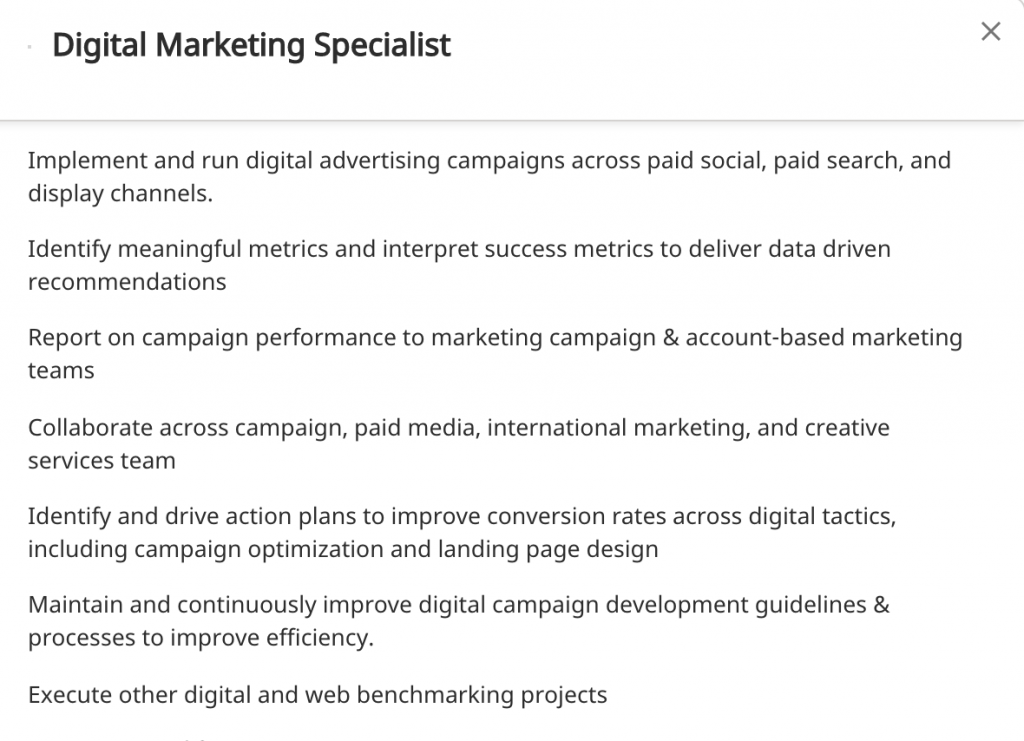
Credit: www.reliablesoft.net
Tools And Technologies
In the ever-evolving world of digital marketing, knowing the right tools and technologies can make or break your strategy. These tools not only make your job easier but also help in achieving better results. Let’s dive into some of the essential tools and technologies every digital marketer should be familiar with.
Marketing Automation Tools
Marketing automation tools are like your personal assistants. They handle repetitive tasks, so you can focus on more creative aspects. Here are some popular ones:
- HubSpot: This tool is great for inbound marketing, helping you attract, engage, and delight customers.
- Mailchimp: Known for its user-friendly interface, it’s perfect for email marketing campaigns.
- Marketo: Ideal for lead management and nurturing, it offers robust features for serious marketers.
These tools help in scheduling social media posts, sending out email campaigns, and even tracking the engagement of your content. Imagine not having to manually send out hundreds of emails! That’s a lot of time saved, right?
Analytics And Reporting Tools
Understanding the performance of your marketing efforts is crucial. Analytics and reporting tools give you insights into what’s working and what’s not. Let’s look at some must-have tools:
- Google Analytics: The granddaddy of all analytics tools, it provides detailed insights into website traffic and user behavior.
- SEMrush: A comprehensive tool that covers SEO, PPC, and content marketing analytics.
- Hotjar: This tool offers heatmaps and session recordings, helping you understand how users interact with your website.
With these tools, you can track key metrics like page views, bounce rates, and conversion rates. It’s like having a crystal ball that tells you what your audience likes and dislikes. Pretty cool, right?
| Tool | Function | Key Feature |
|---|---|---|
| HubSpot | Marketing Automation | Inbound Marketing |
| Google Analytics | Analytics | Website Traffic Insights |
| Mailchimp | Email Marketing | User-friendly Interface |
So, whether you’re automating your social media posts or diving deep into website analytics, these tools and technologies are your best friends in the digital marketing realm. They help you work smarter, not harder, and who doesn’t want that?
Career Growth And Opportunities
Digital marketing offers vibrant career growth and opportunities. This field evolves quickly, creating new roles and paths for professionals. Understanding the career trajectory can help you plan your future. Below, we explore various levels and specializations in digital marketing.
Entry-level To Senior Roles
Starting in digital marketing often means taking on entry-level roles. These positions include social media coordinator, content creator, or SEO specialist. As you gain experience, you can move to mid-level roles. These might include digital marketing manager or analytics expert.
Senior roles come with more responsibility. Examples are digital marketing director or chief marketing officer. These roles require strategic planning and team management. Each step up the ladder brings new challenges and opportunities.
Specializations In Digital Marketing
Digital marketing includes many specializations. Each focuses on a different aspect of online promotion. For instance, SEO specialists improve website rankings on search engines. Content marketers create engaging articles, videos, and infographics.
Social media managers handle brand presence on platforms like Facebook and Instagram. Email marketers design campaigns to reach customers directly. Pay-per-click (PPC) experts manage online ad campaigns. Each specialization offers unique skills and career paths.
Future Trends In Digital Marketing
The digital marketing landscape is evolving rapidly. Companies need to stay ahead of the curve. Future trends in digital marketing will shape how businesses connect with customers. Understanding these trends can help you excel in a digital marketing role. Let’s explore some key trends shaping the future of digital marketing.
Ai And Machine Learning
AI and machine learning are transforming digital marketing. They automate tasks and provide deeper insights. AI helps in predicting customer behavior. This allows for more targeted marketing strategies. Machine learning improves personalization. It tailors content to individual preferences. Businesses can make data-driven decisions. This leads to better engagement and higher conversion rates.
Personalization And Customer Experience
Personalization is key to a great customer experience. Customers expect tailored content. Personalized emails, recommendations, and ads improve engagement. They make customers feel valued. Businesses use data to understand customer preferences. This helps in creating relevant content. A positive customer experience builds loyalty. It increases the chances of repeat business. Focus on personalization for better customer satisfaction.

Credit: www.springboard.com
Frequently Asked Questions
What Is A Digital Marketing Job Role?
A digital marketing job involves promoting products or services online. Tasks include SEO, content creation, social media management, and data analysis.
What Exactly Does A Digital Marketer Do?
A digital marketer promotes products or services online. They use SEO, social media, email marketing, and analytics to drive traffic and sales. They create content, manage campaigns, and analyze performance to optimize strategies. Their goal is to increase brand awareness and generate leads.
What Skills Are Required For Digital Marketing?
Digital marketing requires skills in SEO, content creation, social media management, data analysis, email marketing, and PPC advertising. Creativity and adaptability are also important.
What Exactly To Do In Digital Marketing?
Digital marketing involves promoting products or services online. Key activities include SEO, content marketing, social media marketing, email marketing, and paid advertising.
Conclusion
Digital marketing offers a variety of exciting career opportunities. It requires creativity, strategy, and adaptability. The role is dynamic, evolving with digital trends. This job can be challenging but rewarding. Digital marketers can make a significant impact. They help businesses grow online.
Understanding the job description is crucial. It helps in landing the right role. Stay updated with skills and trends. This ensures success in the digital marketing field. Whether a beginner or experienced, there is always something new to learn. Embrace the journey and thrive in the digital marketing world.


0 Comments